Lithium Hydroxide → HCID 86717888, Verbindung
HRID 2275776
Reaktionsgleichung

[CH:1]1([C:4]2[N:5]=[C:6]3[C:11]([O:12][CH2:13][C:14]4[C:19]([F:20])=[CH:18][CH:17]=[CH:16][C:15]=4[F:21])=[CH:10][CH:9]=[CH:8][N:7]3[C:22]=2[C:23]([O:25]CC)=[O:24])[CH2:3][CH2:2]1.[OH-].[Li+]>CO.C1COCC1>[CH:1]1([C:4]2[N:5]=[C:6]3[C:11]([O:12][CH2:13][C:14]4[C:15]([F:21])=[CH:16][CH:17]=[CH:18][C:19]=4[F:20])=[CH:10][CH:9]=[CH:8][N:7]3[C:22]=2[C:23]([OH:25])=[O:24])[CH2:2][CH2:3]1Komponenten
4
Edukt 2
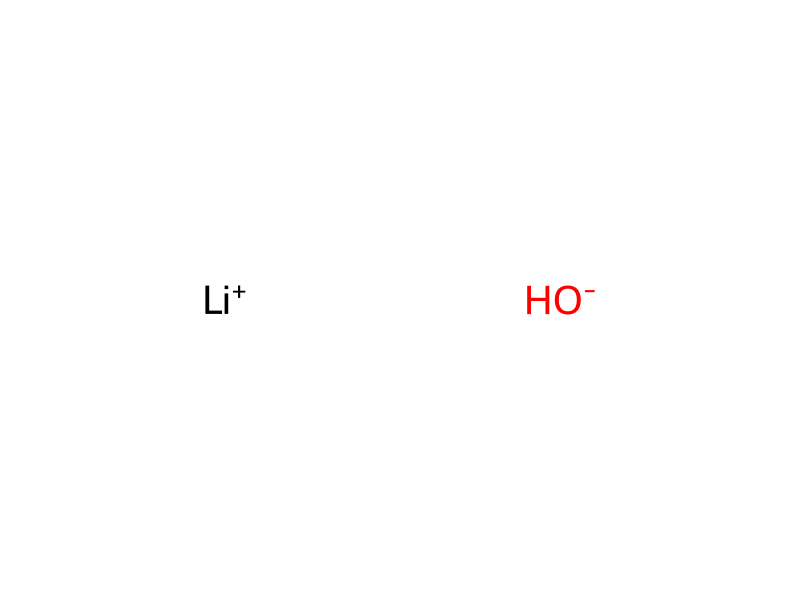

Produkt 1

Reagenzien, Katalysatoren, Lösungsmittel 1

Versuchsvorschrift
410 mg of ethyl 2-cyclopropyl-8-[(2,6-difluorobenzyl)oxy]imidazo[1,2-a]pyridine-3-carboxylate (Example 24A, 1.1 mmol, 1 equivalent) were initially charged in 15 ml of methanol/THF (1:1), and 5.5 ml of a 1 N aqueous lithium hydroxide solution (5.5 mmol, 5 equivalents) were added. The reaction mixture was stirred at RT overnight. Another 5.5 ml of 1 N aqueous lithium hydroxide solution were added, and the mixture was stirred at RT for another night. The mixture was then concentrated under reduced pressure and the residue was taken up in water and acidified with 1 N aqueous hydrochloric acid. The precipitated product was filtered off and dried under high vacuum. This gave 293 mg (77% of theory) of the title compound.