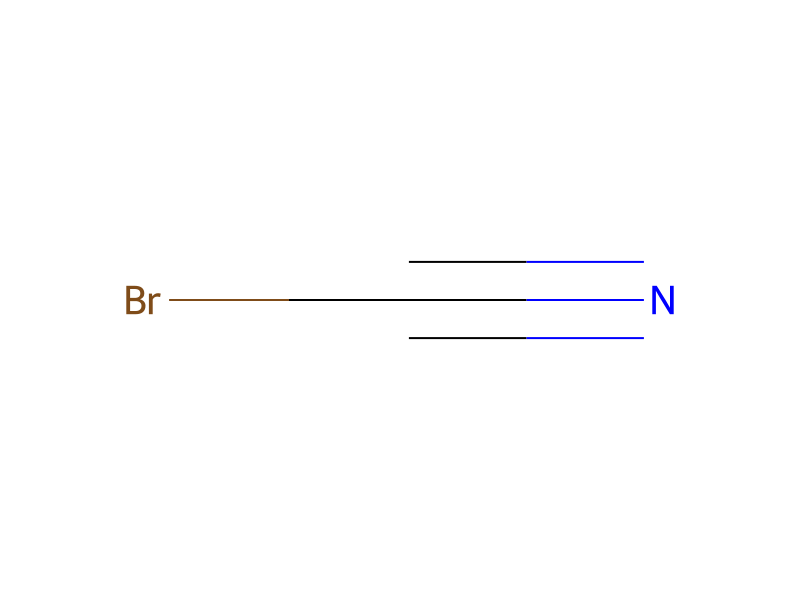
330 mg of cesium carbonate and 404 mg of cyanogen bromide are successively added to a solution of 1 g of 2-[2-(2,3-dihydro-1H-indol-1-yl)-2-oxoethyl]-6-(morpholin-4-yl)pyrimidin-4(3H)-one (which can be obtained according to example 41d, step 1d) in 40 ml of dioxane with 4 Å molecular sieve. The reaction mixture is heated at 40° C. for 2 hours and then cooled to ambient temperature. The suspension is filtered through sintered glass and then rinsed with dioxane, and the filtrate is concentrated under reduced pressure. The residue is purified by silica column chromatography, elution being carried out with a mixture of dichloromethane and methanol (95/05). The fractions of interest containing the product are combined and then evaporated under reduced pressure. The residue is taken up with a mixture of 3 ml of methanol and 10 ml of ethyl ether. After stirring and filtration, the precipitate obtained is rinsed with ethyl ether (3×2 ml) and 22 mg of 2-[2-(2,3-dihydro-1H-indol-1-yl)-2-oxoethyl]-4-(morpholin-4-yl)-6-oxopyrimidine-1(6H)-carbonitrile are obtained in the form of a beige solid, the characteristics of which are the following: