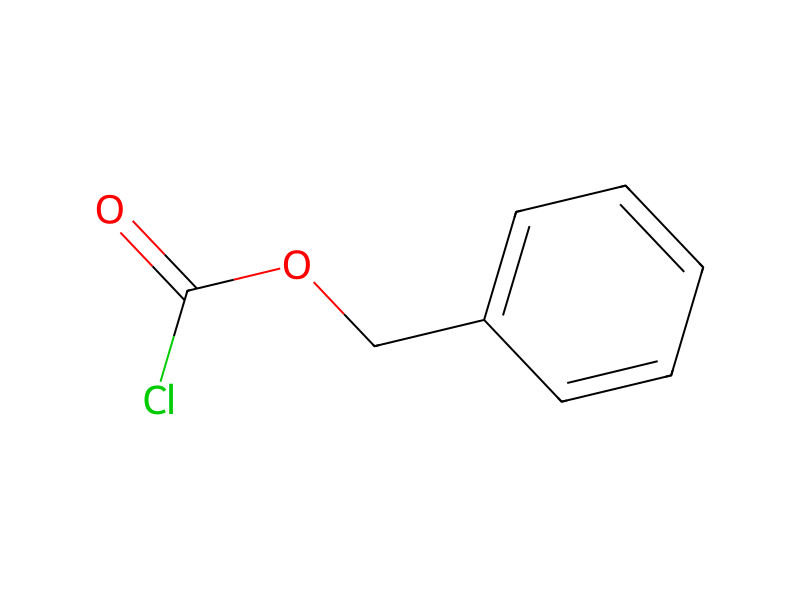
Sodium Chloride → HCID 90052647, Verbindung
HRID 2284738
Reaktionsgleichung

[NH2:1][CH2:2][C:3]1([NH:9][C:10](=[O:16])[O:11][C:12]([CH3:15])([CH3:14])[CH3:13])[CH2:8][CH2:7][O:6][CH2:5][CH2:4]1.C(=O)([O-])[O-].[Na+].[Na+].[C:23]([O:26][CH2:27][CH3:28])(=[O:25])C.[Cl-].[Na+]>CC(C)=O.O.C(OC(Cl)=O)C1C=CC=CC=1>[CH2:27]([O:26][C:23]([NH:1][CH2:2][C:3]1([NH:9][C:10](=[O:16])[O:11][C:12]([CH3:13])([CH3:15])[CH3:14])[CH2:4][CH2:5][O:6][CH2:7][CH2:8]1)=[O:25])[C:28]1[CH:7]=[CH:8][CH:3]=[CH:4][CH:5]=1Komponenten
8
Edukt 4




Produkt 1

Reagenzien, Katalysatoren, Lösungsmittel 3