StartseiteMCPWorkbenchSkills
StartseiteWorkbenchBenachrichtigungenMein Bereich
llms.txt · MCP-AnleitungDatenschutz · Nutzungsbedingungen · Supportv1.8.3
  1. Startseite
  2. /Reaktion

Pyridine → HCID 21249770, Verbindung

HRID 2287932
Drucken

Reaktionsgleichung

Reaktionsgleichung von HRID 2287932
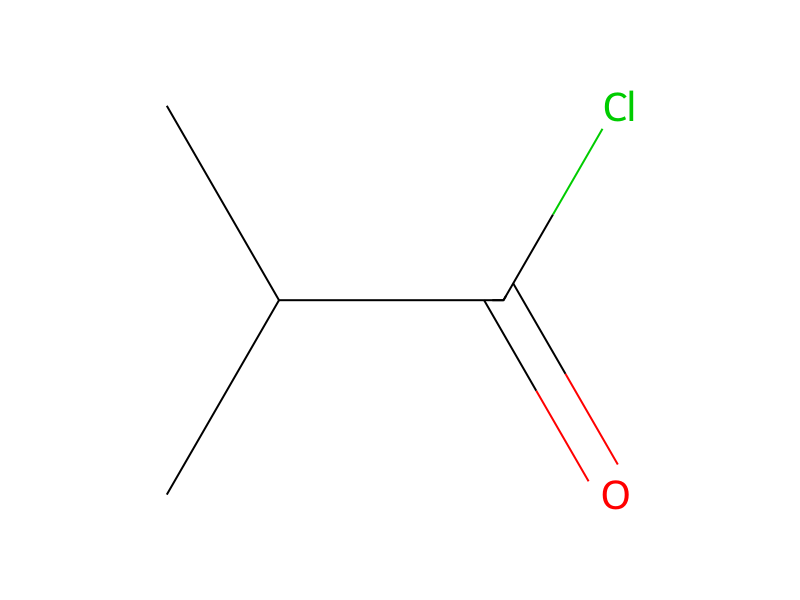
[N+:1]([C:4]1[CH:5]=[C:6]([NH:13][C:14]([NH:16][CH2:17][CH2:18][OH:19])=[O:15])[CH:7]=[C:8]([N+:10]([O-:12])=[O:11])[CH:9]=1)([O-:3])=[O:2].N1C=CC=CC=1.ClCCl.[C:29](Cl)(=[O:33])[CH:30]([CH3:32])[CH3:31]>O>[C:29]([O:19][CH2:18][CH2:17][NH:16][C:14]([NH:13][C:6]1[CH:5]=[C:4]([N+:1]([O-:3])=[O:2])[CH:9]=[C:8]([N+:10]([O-:12])=[O:11])[CH:7]=1)=[O:15])(=[O:33])[CH:30]([CH3:32])[CH3:31]
KomponentenVersuchsvorschriftAufarbeitungQuellen und NachweiseNotizen zur Reaktion

Komponenten

6

Edukt 4

HCID 1049PyridineHCID 6344DichloromethaneHCID 62325Isobutyryl chlorideHCID 21249788N-(3,5-dinitrophenyl)-N'-(2-hydroxyethyl)urea2×

Produkt 1

HCID 21249770HCID 21249770, Verbindung

Reagenzien, Katalysatoren, Lösungsmittel 1

HCID 962
Water
Lösungsmittel

Versuchsvorschrift

In a 0.3-l four-necked flask equipped with a dropping funnel, a reflux condenser, a thermometer and a mixing blade were placed 18.0 g (0.0666 mol) of N-(3,5-dinitrophenyl)-N-(2-hydroxyethyl)urea (compound 11) and 5.27 g (0.0666 mol) of pyridine. Thereto was added 150 ml of dichloromethane. The mixture was stirred and became a yellow suspension. While the flask was being cooled with ice water, the flask contents were stirred. Thereto was dropwise added 8.52 g (0.0799 mol) of isobutyryl chloride. After the dropwise addition, the flask was immersed in an oil bath of 40° C. and the flask contents were stirred for 1 hour. Then, the flask contents were cooled to room temperature. Thereto was added 50 ml of water, and the mixture was stirred for several minutes. All the flask contents were transferred into a separating funnel for separation of the aqueous layer. The organic layer taken out was returned to the separating funnel. Thereto was added a 5% aqueous sodium carbonate solution, followed by mixing. The lower layer (organic layer) was taken out and dried over anhydrous magnesium sulfate. From the dried solution was removed dichloromethane by distillation by the use of an evaporator, whereby a solid was separated. The solid was recrystallized from a 2:1 mixed solvent consisting of methanol and water to obtain 2-(3,5-dinitrophenylureido)ethyl isobutyrate (compound 12) as a yellow powder. Yield: 20.4 g (90%) Melting point: 89-92° C.


Aufarbeitung

  1. customIn a 0.3-l four-necked flask equipped with a dropping funnel, a reflux condenser
  2. stirringthe flask contents were stirred
  3. additionAfter the dropwise addition
  4. customthe flask was immersed in an oil bath of 40° C.
  5. stirringthe flask contents were stirred for 1 hour
  6. stirringthe mixture was stirred for several minutes
  7. customAll the flask contents were transferred into a separating funnel for separation of the aqueous layer
  8. additionThereto was added a 5% aqueous sodium carbonate solution
  9. additionby mixing
  10. dry with materialdried over anhydrous magnesium sulfate
  11. customFrom the dried solution was removed dichloromethane
  12. distillationby distillation
  13. customby the use of an evaporator, whereby a solid
  14. customwas separated
  15. customThe solid was recrystallized from a 2:1 mixed solvent

Quellen und Nachweise

ORD-Eintrag
ord-e13aa3d85ec24c3aa3dac7e6bff1ae2e
Quelldatensatz
uspto-grants-2000_07
DOI
10.6084/m9.figshare.5104873.v1
Patentnummer
US06087006

Notizen zur Reaktion

Auf dieser SeiteKomponentenVersuchsvorschriftAufarbeitungQuellen und NachweiseNotizen zur Reaktion