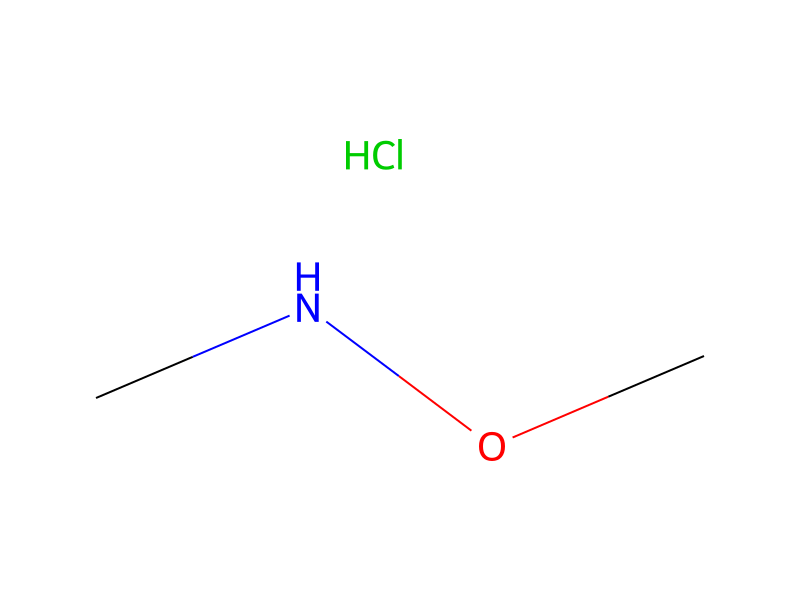
alpha,alpha-Difluoro-4-fluorophenylacetic acid [1.0 g, prepared from 4-fluorobromobenzene according to the method of Middleton and Bingham, J. Org. Chem., 45, 2883 (1980)] was stirred under nitrogen with thionyl chloride (0.69 g) and dry N,N-dimethylformamide (0.036 g) at room temperature for 15 minutes and then at 70°-75° C. for one hour. The solution was cooled in ice and N,O-dimethylhydroxylamine hydrochloride (0.62 g), dry pyridine (1.5 g) and methylene chloride (15 ml) were added and the mixture stirred at 0° C. for 20 minutes and at room temperature for a further 30 minutes. Water (10 ml) was added and the methylene chloride layer separated. The aqueous phase was extracted with methylene chloride (2×20 ml) and the combined organic extracts were dried over MgSO4 and evaporated. The residue was chromatographed on silica, eluting with methylene chloride to give N-methoxy-N-methyl-alpha,alpha-difluoro-4-fluorophenyl acetamide (1.13 g).