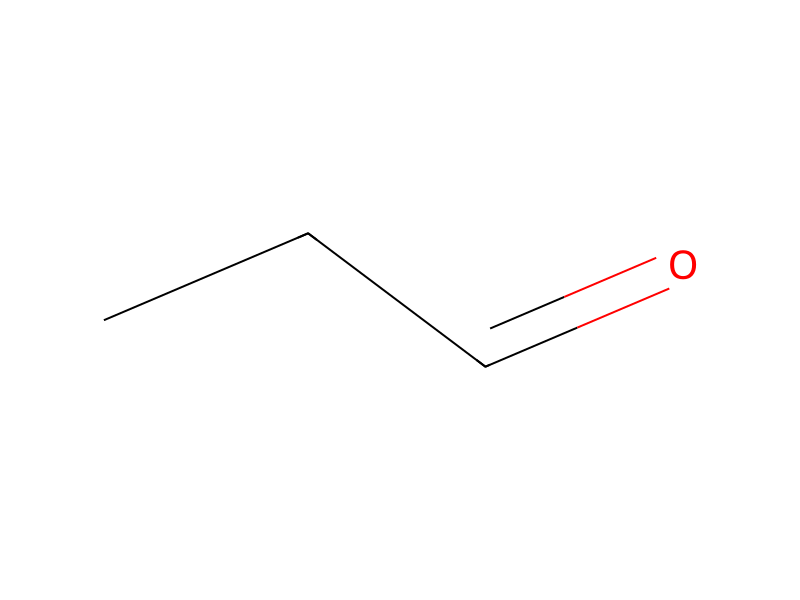
[OH:1][CH:2]([CH2:5][O:6][C:7]1[CH:12]=[CH:11][C:10]([CH2:13][N:14]2[CH:18]=[CH:17][CH:16]=[N:15]2)=[CH:9][CH:8]=1)CO.[CH:19](=[O:22])[CH2:20][CH3:21].[C:23]1(C)C=CC(S(O)(=O)=O)=CC=1.C(=O)([O-])O.[Na+]>C1(C)C=CC=CC=1>[N:14]1([CH2:13][C:10]2[CH:9]=[CH:8][C:7]([O:6][CH:5]3[CH2:2][O:1][C:19]([CH3:23])([CH2:20][CH3:21])[O:22]3)=[CH:12][CH:11]=2)[CH:18]=[CH:17][CH:16]=[N:15]1A mixture of this 2-hydroxy-3-[4-(1-pyrazolyl)methylphenoxy]propanol (941 mg), propionaldehyde (308 mg), dry toluene (20 ml) and a catalytic amount of p-toluenesulfonic acid was heated at reflux under stirring for 4 hours. Then, the reaction mixture was poured into ice-cooled 5% aqueous sodium hydrogencarbonate (100 ml), followed by two extractions with ethyl acetate (50 ml). The organic layers were combined, washed with saturated sodium chloride solution, dried with anhydrous magnesium sulfate, and concentrated under reduced pressure. The residue was subjected to silica gel chromatography, which afforded 723 mg of 4-[4-(1-pyrazolyl)methylphenoxy]-methyl-2-ethyl-1,3-dioxolane (compound 38). Yield, 66% (based upon 2-hydroxy-3-[4-(1-pyrazolyl)methylphenoxy]propanol).