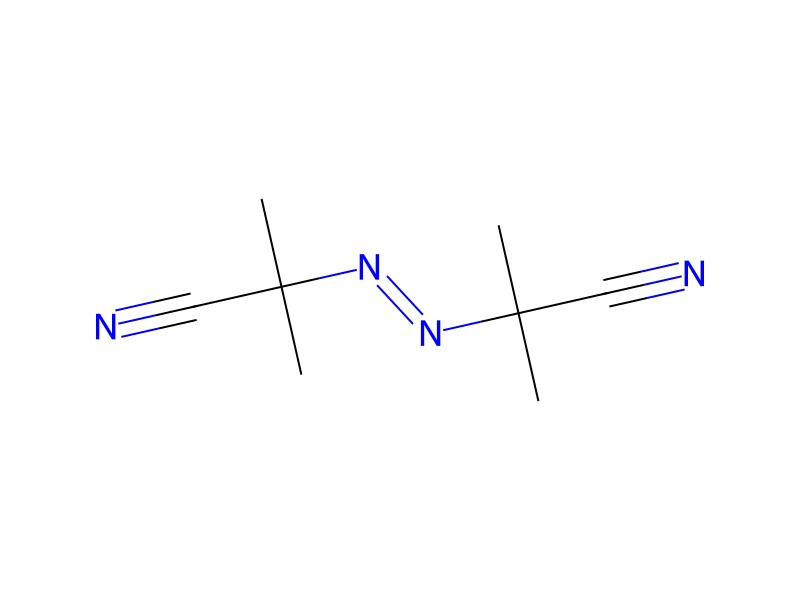
[F:1][C:2]1[CH:7]=[C:6]([F:8])[CH:5]=[CH:4][C:3]=1[NH:9][S:10]([CH:13]1[C:18]([C:19]([O:21][CH2:22][CH3:23])=[O:20])=[CH:17][CH2:16][CH2:15][CH2:14]1)(=[O:12])=[O:11].[Br:24]N1C(=O)CCC1=O>ClC1C=CC=CC=1.N(C(C)(C)C#N)=NC(C)(C)C#N>[Br:24][CH:16]1[CH2:15][CH2:14][CH:13]([S:10](=[O:11])(=[O:12])[NH:9][C:3]2[CH:4]=[CH:5][C:6]([F:8])=[CH:7][C:2]=2[F:1])[C:18]([C:19]([O:21][CH2:22][CH3:23])=[O:20])=[CH:17]1To a solution -of ethyl 6-(N-(2,4-difluorophenyl)sulfamoyl]-1-cyclohexene-1-carboxylate (100 mg) obtained in Example 3 in chlorobenzene (2 ml), N-bromosuccinimide (56.7 mg) and 2,2′-azobisisobutyronitrile (0.5 mg) were added and the mixture was stirred at 90° C. for 7 hours. The reaction mixture was combined with an ice-water (20 ml), extracted with ethyl acetate (20 ml), washed with saturated brine (20 ml) and dried over anhydrous sodium sulfate. The solvent was distilled off and the resultant residue was purified by flash column chromatography on silica gel (eluent: ethyl acetate/hexane=1/20→ethyl acetate/hexane=1/10) and crystallized from hexane to yield ethyl 3-bromo-6-[N-(2,4-difluorophenyl)sulfamoyl]-1-cyclohexene-1-carboxylate (Compound 85, 27 mg) as colorless powdery crystals.