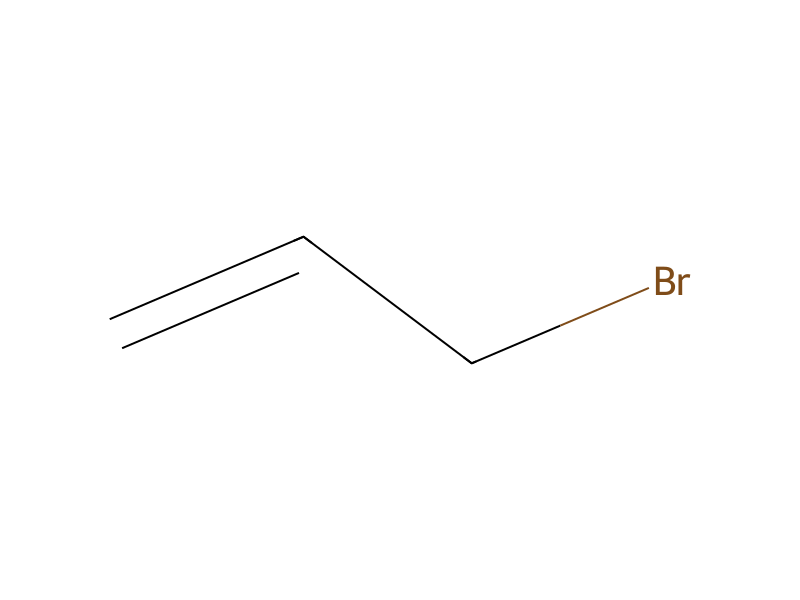
[F:1][C:2]1[CH:7]=[CH:6][CH:5]=[C:4]([F:8])[C:3]=1[CH2:9][O:10][CH2:11][CH:12]([C:15]1[C:20]([CH3:21])=[CH:19][CH:18]=[CH:17][C:16]=1[CH3:22])[CH2:13][NH2:14].[CH2:23]([Br:26])[CH:24]=[CH2:25].C([O-])([O-])=O.[K+].[K+].O>O1CCCC1>[BrH:26].[CH2:25]([NH:14][CH2:13][CH:12]([C:15]1[C:20]([CH3:21])=[CH:19][CH:18]=[CH:17][C:16]=1[CH3:22])[CH2:11][O:10][CH2:9][C:3]1[C:2]([F:1])=[CH:7][CH:6]=[CH:5][C:4]=1[F:8])[CH:24]=[CH2:23]1 g (3.3 mmol) of 3-(2,6-difluorophenyl)methoxy-2-(2,6-dimethylphenyl)-propylamine are dissolved in 10 ml of tetrahydrofuran (THF) and stirred with 0.4 g (3.3 mmol) of allylbromide and 1.2 g of K2CO3 for 16 h at ambient temperature. Then the solvent is eliminated in vacuo, the residue is combined with 50 ml of water and extracted twice with 30 ml of ethyl acetate. The organic phase is dried, concentrated by evaporation in vacuo and the residue is chromatographed on silica gel (methanol/dichloromethane=2:98). The appropriate fractions are concentrated by evaporation, the residue is dissolved in ether and the hydrobromide is precipitated with HBr/glacial acetic acid. Yield: 1.0 g (71%), melting point: 105° C.