StartseiteMCPWorkbenchSkills
StartseiteWorkbenchBenachrichtigungenMein Bereich
llms.txt · MCP-AnleitungDatenschutz · Nutzungsbedingungen · Supportv1.8.0
  1. Startseite
  2. /Reaktion

Diethyl Ether → HCID 178435499, Verbindung

HRID 232887
Notizen
Druckvorschau

Reaktionsgleichung

Reaktionsgleichung von HRID 232887
[CH3:1][CH2:2][C:3]1[C:21]2=[N:22][C:5](=[CH:6][C:7]3[NH:11][C:10]([CH:12]=[C:13]4[CH:34]([CH3:35])[CH:33]([CH2:36][CH2:37][C:38]([O:40][CH3:41])=[O:39])[C:15]([C:16]5C(C(OC)=O)[C:25](=[O:26])[C:24]6[C:17]=5[NH:18][C:19]([C:23]=6[CH3:32])=[CH:20]2)=[N:14]4)=[C:9]([CH3:42])[C:8]=3[CH:43]=[CH2:44])[C:4]=1[CH3:45].[OH-:46].[K+].C[CH2:49][O:50]CC>N1C=CC=CC=1.C(O)CC>[CH3:1][CH2:2][C:3]1[C:21]2[NH:22][C:5](=[CH:6][C:7]3[NH:11][C:10]([CH:12]=[C:13]4[NH:14][C:15]([C:16]5[C:49](=[O:50])[O:26][C:25](=[O:46])[C:24]6=[C:23]([CH3:32])[C:19]([CH:20]=2)=[N:18][C:17]=56)=[C:33]([CH2:36][CH2:37][C:38]([O:40][CH3:41])=[O:39])[C@@H:34]4[CH3:35])=[C:9]([CH3:42])[C:8]=3[CH:43]=[CH2:44])[C:4]=1[CH3:45]
KomponentenVersuchsvorschriftAufarbeitungQuellen und NachweiseNotizen zur Reaktion

Komponenten

6

Edukt 3

HCID 3283Diethyl EtherHCID 14797Potassium HydroxideHCID 178435494HCID 178435494, Verbindung

Produkt 1

HCID 178435499HCID 178435499, VerbindungAusbeute 50 %

Reagenzien, Katalysatoren, Lösungsmittel 2

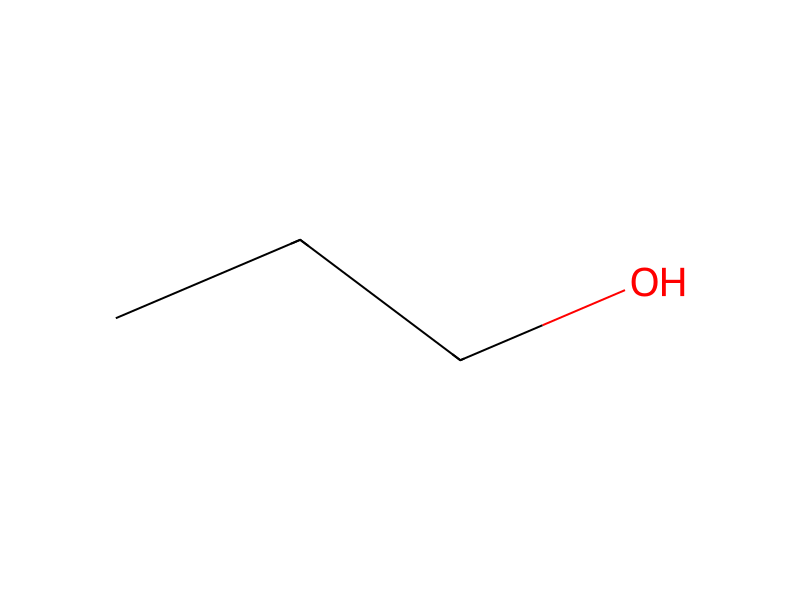
HCID 10311-PropanolLösungsmittel
HCID 1049
Pyridine
Lösungsmittel

Versuchsvorschrift

Methyl pheophorbide-a 1 (700 mg) was dissolved in warm pyridine (10 ml) and the solution was diluted with ether (500 ml). The solution was stirred with a stream of air passing through it, and a solution of KOH (8.0 g) in propanol (20 ml) was added. The bright green mixture was stirred and aerated for 30 min and then extracted with water until the ethereal layer was no longer green. The ethereal solution layer was discarded, the aqueous extracts were combined, adjusted to pH 4 with cone sulfuric acid (8 ml) in water (40 ml), and extracted with dichloromethane until the aqueous layer was no longer green-brown. The combined dichloromethane extract containing unstable chlorin was subjected to repeated evaporation and redissolution in THF (freshly distilled) until no further increase in visible absorption at 700 nm was observed. The product was esterified with ethereal diazomethane and then washed with water, dried and evaporated to dryness. The product was purified by silica column, eluting with 2% methanol in dichloromethane. The appropriate eluates were combined, and the residue obtained evaporating the solvents was crystallized from dichloromethane/methanol to give the title compound in 50% yield (290 mg). m.p. >260° C. (decomp.) (lit., 260-280° C.). max 698 (), 642 (), 592 (), 546 (), 508 (), 478 () and 410 (). NMR ppm 9.55, 9.35, 8.57 (meso H), 7.88 (dd, 11.7, 2-a H), 6.29 (d, 2b-H), 6.18 (d, 2b'H), 5.17 (d, 7-H), 4.38 (q, 8-H), 3.76 (s, 3H), 2.73 (m, 7b-H), 2.47 (m, 7b'H), 2.43 (m, 7a-H), 1.99 (m, 7a'H), 1.74 (d, 8 Me), 1.65 (t, 4b-Me) and 2.01 and -0.09 (each br s, NH); (HRMS 78.2509. C34H34N4O5 requires 578.2529.


Aufarbeitung

  1. stirringThe bright green mixture was stirred
  2. extractionextracted with water until the ethereal layer
  3. extractionextracted with dichloromethane until the aqueous layer
  4. extractionThe combined dichloromethane extract
  5. additioncontaining unstable chlorin
  6. customevaporation and redissolution in THF (
  7. distillationfreshly distilled) until
  8. temperatureno further increase in visible absorption at 700 nm
  9. washwashed with water
  10. customdried
  11. customevaporated to dryness
  12. customThe product was purified by silica column
  13. washeluting with 2% methanol in dichloromethane
  14. customthe residue obtained
  15. customevaporating the solvents
  16. customwas crystallized from dichloromethane/methanol

Quellen und Nachweise

ORD-Eintrag
ord-f0c56facbc404ce8a5b49e2d52a71bd8
Quelldatensatz
uspto-grants-1997_01
DOI
10.6084/m9.figshare.5104873.v1
Patentnummer
US05591847

Notizen zur Reaktion

Wird geladen…

Auf dieser SeiteKomponentenVersuchsvorschriftAufarbeitungQuellen und NachweiseNotizen zur Reaktion