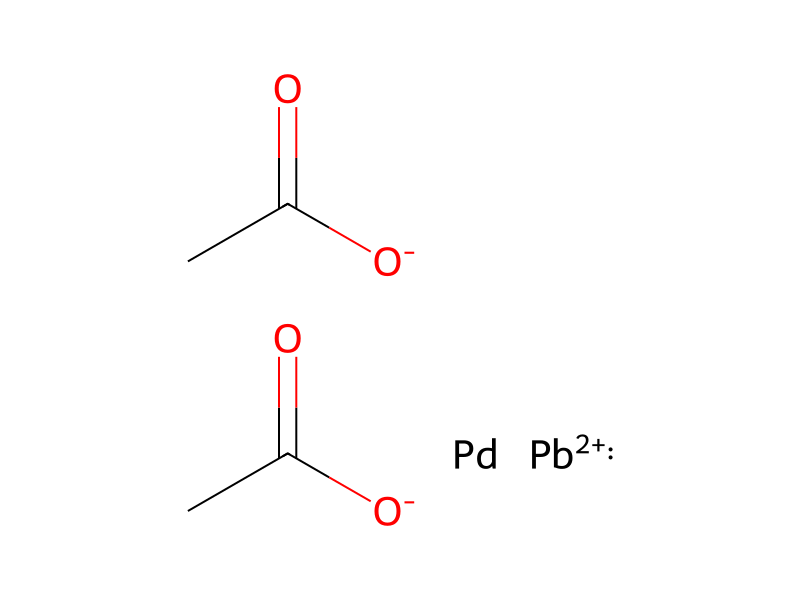
[Cl:1][C:2]1[CH:7]=[CH:6][C:5]([CH2:8][CH:9]([C:15]2[CH:20]=[CH:19][CH:18]=[C:17]([C:21]#[N:22])[CH:16]=2)[CH:10]([N:12]=[N+]=[N-])[CH3:11])=[CH:4][CH:3]=1>C(OC(C)C)(=O)C.[Pd].CC([O-])=O.CC([O-])=O.[Pb+2]>[Cl:1][C:2]1[CH:7]=[CH:6][C:5]([CH2:8][C@@H:9]([C:15]2[CH:20]=[CH:19][CH:18]=[C:17]([C:21]#[N:22])[CH:16]=2)[C@@H:10]([NH2:12])[CH3:11])=[CH:4][CH:3]=1To a solution of 4-(4-chlorophenyl)-3-(3-cyanophenyl)-2-azidobutane (650 g, 2.1 mol) in isopropyl acetate (3.3 L) was added Lindlar's catalyst (130 g), and the mixture was hydrogenated at 40 psi at 45° C. for 24 h and at room temperature for anther 48 h. The reaction mixture was filtered over solka floc, and the cake was washed thoroughly with isopropyl acetate. The filtrate was partially concentrated to approximately 6 L, and was added hydrogen chloride in isopropyl acetate (5-6 N) while maintaining the reaction temperature at 18-25° C. After aging overnight, the precipitate was collected by filtration and washed twice with isopropyl acetate (1 L×2). The precipitate was suspended in isopropyl acetate (5.8 L) and was added aqueous potassium carbonate (1 M, 3.5 L). After stirring for 20 min, the organic layer was separated and concentrated to an oil, which was purified by preparative HPLC eluting on a Chiralpak AD column with heptane/ethanol/diethylamine (70/30/0.1; flow rate: 700 mL/min) to give the title compound.