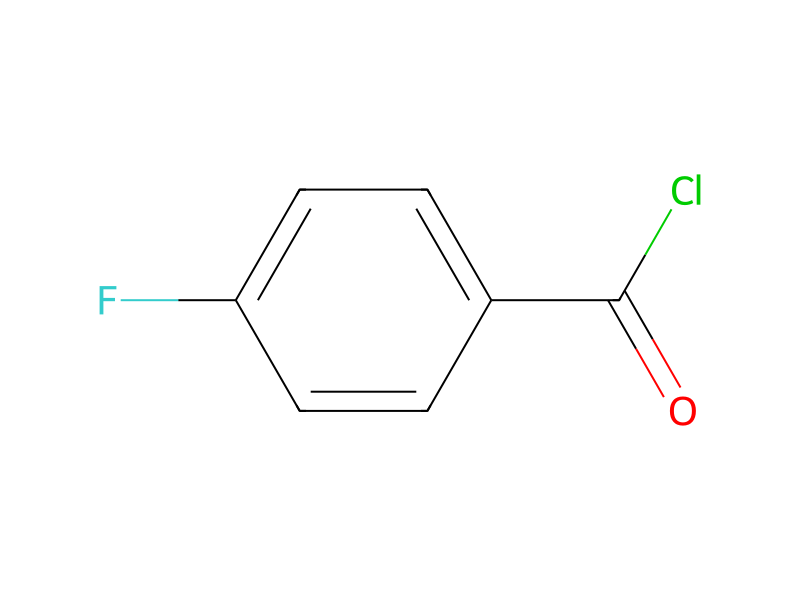
Cl.Cl.[NH2:3][CH2:4][C:5]([C:7]1[CH:8]=[N:9][CH:10]=[CH:11][CH:12]=1)=[O:6].[F:13][C:14]1[CH:22]=[CH:21][C:17]([C:18](Cl)=[O:19])=[CH:16][CH:15]=1.C(=O)([O-])O.[Na+].O1CCCC1>C(OCC)(=O)C.O>[F:13][C:14]1[CH:22]=[CH:21][C:17]([C:18]([NH:3][CH2:4][C:5]([C:7]2[CH:8]=[N:9][CH:10]=[CH:11][CH:12]=2)=[O:6])=[O:19])=[CH:16][CH:15]=1A mixture of 3-(2-aminoacetyl)pyridine dihydrochloride (50.00 g), 4-fluorobenzoylchloride (41.71 g) and sodium hydrogen carbonate (100.44 g) in ethyl acetate (1 liter) and water (0.6 liter) was stirred at room temperature for 2 hours. To the reaction mixture were added tetrahydrofuran (0.5 liter) and water (1 liter), and the organic layer was collected. The organic layer was washed with water and brine, dried over anhydrous magnesium sulfate and the solvent was removed under reduced pressure. The resulting residue was triturated with ethyl acetate to obtain 3-[2-(4-fluorobenzoyl)aminoacetyl]pyridine (40.87 g) as pale yellowish powder.