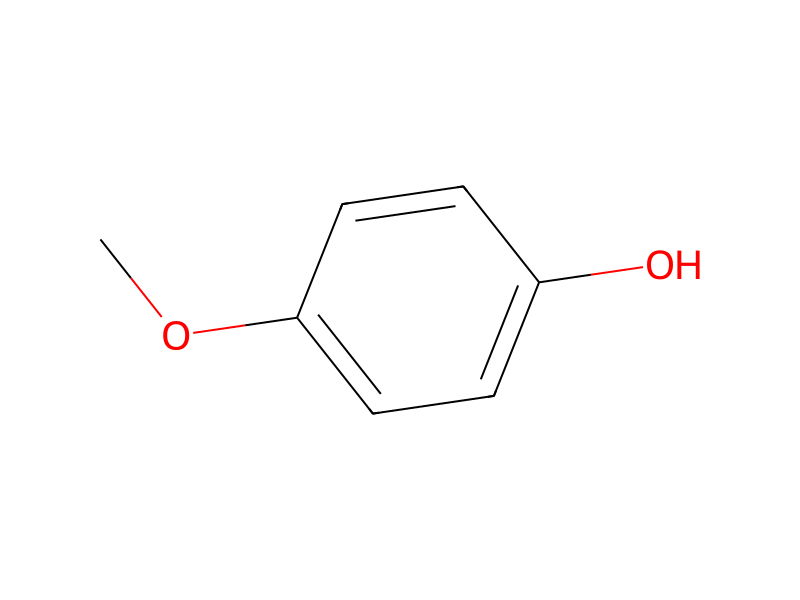
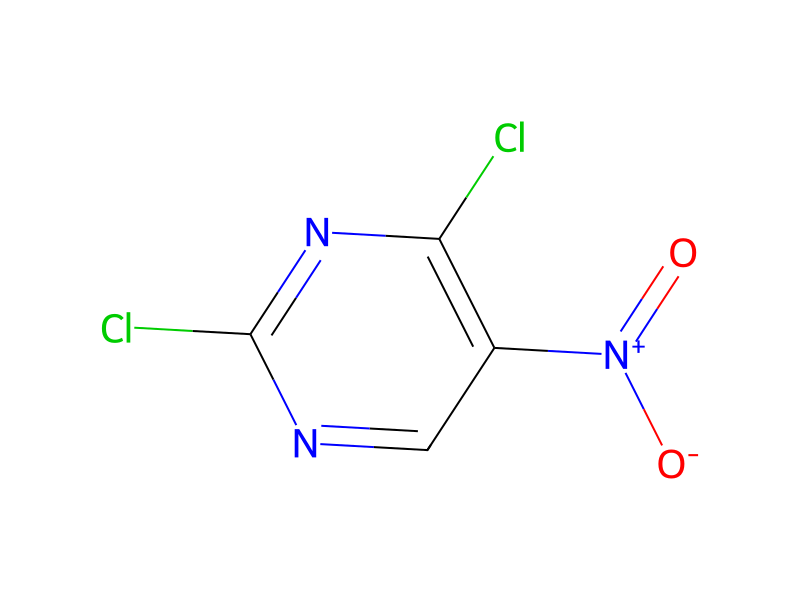
To a solution of 2,4-dichloro-5-nitro-pyrimidine (Compound 1a) (5.82 g; 30.0 mmol) in acetone (480 mL), cooled to 0° C., was added a solution of 4-methoxy-phenol (3.75 g; 30.0 mmol) in a mixture of 1 N NaHCO3(aq) (30 mL) and H2O (120 mL) dropwise by an addition funnel. After completion of addition, the reaction mixture was allowed to warm to ambient temperature, and was then stirred at room temperature for 3 h. The resultant mixture was evaporated in vacuo, and the residue was washed sequentially with EtOAc, 1 N NaOH(aq), and H2O. The organic phase was washed sequentially with H2O and brine, and dried over Na2SO4. The mixture was filtered and the solvent was evaporated under reduced pressure to give the crude material. The crude material was recrystallized from Et2O-hexanes to afford Compound 1b (7.70 g; 91% yield) as a yellow solid. 1H-NMR (400 MHz, CDCl3): δ 9.17 (s, 1H), 7.13-7.15 (m, 2H), 6.98-7.01 (m, 2H), 3.87 (s, 3H); MS: m/z 282.0 (M+H)+.