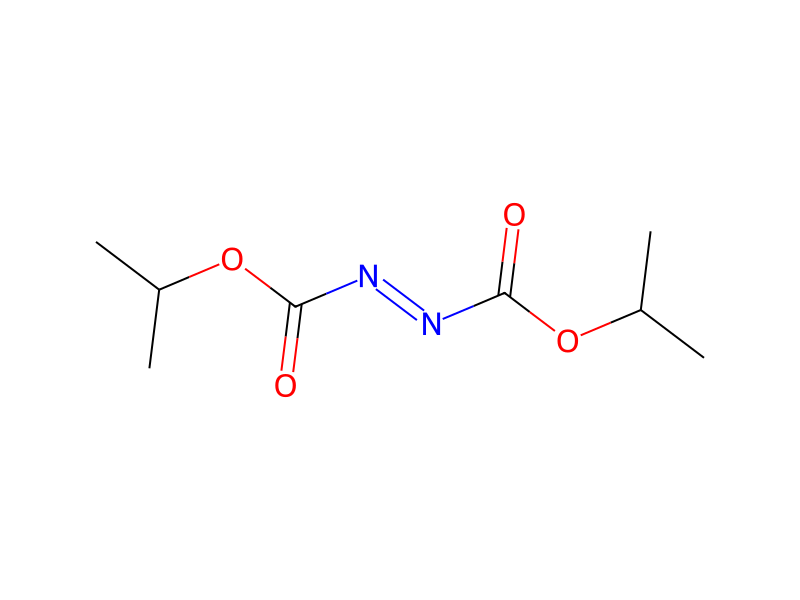
(3aR,4R,6aS)-2-Benzyloctahydrocyclopenta[c]pyrrol-4-ol (3.00 g, 13.81 mmol, Example 706, Step 1) and triphenylphosphine (4.35 g, 16.57 mmol) were combined in toluene (69 mL). Diisopropyl azodicarboxylate (3.49 g, 17.26 mmol) was added dropwise via addition funnel to the reaction solution at 5° C. Diphenylphosphoryl azide (4.56 g, 16.57 mmol) was then added to the reaction solution. The reaction was allowed to proceed at room temperature for 16 hours and then quenched with saturated aqueous sodium bicarbonate (100 mL). The resulting layers were separated and the product containing phase was extracted with 1.2 M hydrochloric acid (2×40 mL). The acid layer was extracted with ethyl acetate (50 mL) and then basified with 1.9 M potassium hydroxide (68 mL). The aqueous solution was extracted with methyl tert-butyl ether (2×50 mL). The methyl tert-butyl ether was removed under reduced pressure by co-distillation with ethanol and then filtered to provide (3aR,4S,6aS)-4-azido-2-benzyloctahydrocyclopenta-[c]pyrrole in ethanol.