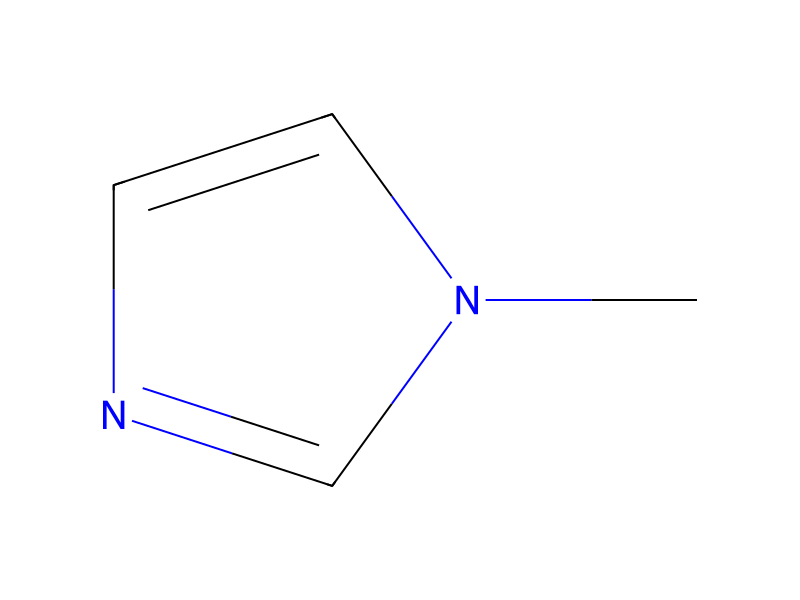
To a solution of (3aR,4R,6aS)-2-(6-(trifluoromethyl)pyridin-2-yl)octahydrocyclopenta[c]pyrrol-4-ol (3.2 g, 11.75 mmol) from Step 3 in dichloromethane (15 mL) was added triethylamine (4.10 mL, 29.4 mmol) followed by 1-methylimidazole (0.281 mL, 3.53 mmol). The solution was cooled to 0° C. and 4-bromobenzene-1-sulfonyl chloride (4.50 g, 17.63 mmol) was added. The solution was warmed to room temperature and stirred for 16 hours. The reaction mixture was diluted with dichloromethane (12 mL) and washed with aqueous hydrogen chloride (0.1 N, 10 mL×2) and water (10 mL). The organic phase was dried over sodium sulfate and concentrated. The crude material was purified by silica gel chromatography using 0-60% dichloromethane/hexane as eluent to give (3aR,4R,6aS)-2-(6-(trifluoromethyl)pyridin-2-yl)octahydrocyclopenta[c]pyrrol-4-yl 4-bromobenzenesulfonate: 1H NMR (500 MHz, pyridine-d5) δ ppm 7.99-7.90 (m, 2H), 7.77-7.67 (m, 2H), 7.51 (t, J=7.9, 1H), 6.99 (d, J=7.3, 1H), 6.45 (d, J=8.6, 1H), 5.17 (q, J=6.1, 1H), 3.69 (dd, J=11.4, 4.6, 1H), 3.57-3.47 (m, 1H), 3.37 (dd, J=11.4, 8.9, 1H), 3.23 (dd, J=10.7, 4.5, 1H), 2.90-2.78 (m, 1H), 2.67-2.54 (m, 1H), 2.02-1.88 (m, 1H), 1.80 (dq, J=8.2, 6.0, 1H), 1.70 (dtd, J=13.5, 8.6, 7.0, 1H), 1.51-1.37 (m, 1H); MS (ESI+) m/z 491 (M+H)+.