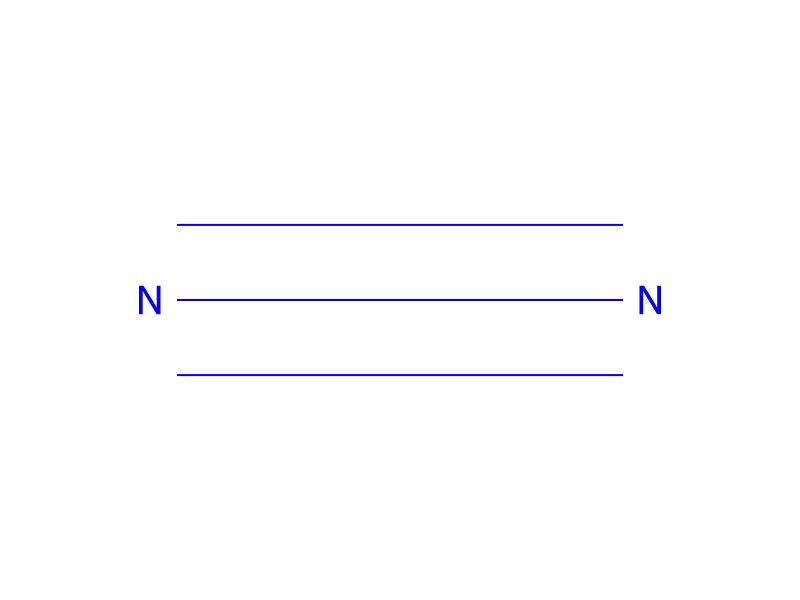
N#N.I[C:4]1[C:5](=[O:14])[N:6]([CH3:13])[CH:7]=[C:8]([N+:10]([O-:12])=[O:11])[CH:9]=1.[S:15]1[CH:19]=[CH:18][N:17]=[CH:16]1.C([O-])(=O)C.[K+]>CN(C=O)C.C1C=CC([P]([Pd]([P](C2C=CC=CC=2)(C2C=CC=CC=2)C2C=CC=CC=2)([P](C2C=CC=CC=2)(C2C=CC=CC=2)C2C=CC=CC=2)[P](C2C=CC=CC=2)(C2C=CC=CC=2)C2C=CC=CC=2)(C2C=CC=CC=2)C2C=CC=CC=2)=CC=1>[CH3:13][N:6]1[CH:7]=[C:8]([N+:10]([O-:12])=[O:11])[CH:9]=[C:4]([C:19]2[S:15][CH:16]=[N:17][CH:18]=2)[C:5]1=[O:14]N2 was bubbled through a solution of 3-iodo-1-methyl-5-nitro-1H-pyridin-2-one (840 mg, 3.0 mmol), thiazole (1280 mg, 15.0 mmol), potassium acetate (0.883 g, 9.0 mmol), and tetrakis(triphenylphosphine)palladium(0) (0.243 g, 0.21 mmol) in DMF (8 mL) for 10 min. The mixture was then heated to 120° C. and stirred for 28 h. The solvents were removed in vacuo. The black-colored residue was dissolved in a mixture of methanol (8 mL) and methylene chloride (250 mL). Water (30 mL) and sat. NaHCO3 (aq) (15 mL) were added. Layers were separated and the aqueous phase was extracted with methylene chloride (3×80 mL). The combined organic phases were dried over MgSO4, filtered, and concentrated under reduced pressure to 15 mL. The product precipitated and was collected by filtration to afford the desired product as a black solid. 1H-NMR (DMSO-d6, 400 MHz): δ=3.70 (s, 3H), 8.79 (s, 1H), 8.82 (d, J=2.8 Hz, 1H), 9.13 (s, 1H), 9.29 (d, J=3.2 Hz, 1H). MS (ES+): m/z 238.15 [MH+]. HPLC: tR=2.33 min (ZQ2000, polar—5 min).