StartseiteMCPWorkbenchSkills
StartseiteWorkbenchBenachrichtigungenMein Bereich
llms.txt · MCP-AnleitungDatenschutz · Nutzungsbedingungen · Supportv1.8.0
  1. Startseite
  2. /Verbindung

Kaliumacetat

Potassium Acetate

HCID 517044
Neue NotizNeue ReaktionAnfrage stellen
Druckvorschau

Daten werden ergänzt – lade die Seite später neu, um den aktuellen Stand zu sehen

GrundinformationenNamen und BezeichnerEigenschaftenSicherheit und RegulatorischesChemie und IndustrieZugehörige ReaktionenNotizen zur Verbindung
TeilstruktursucheÄhnliche Strukturen suchen

Grundinformationen

CAS
127-08-2
Standard-SMILES
CC(=O)[O-].[K+]
InChIKey
SCVFZCLFOSHCOH-UHFFFAOYSA-M
Summenformel
C2H3KO2
Durchschnittliche Molmasse
98,14 g/mol
Monoisotopische Masse
97,97701082

Namen und Bezeichner

Bevorzugter Name
Potassium Acetate
IUPAC
potassium acetate
Lokaler Name
Kaliumacetat
Englischer Name
Potassium Acetate
Summenformel
C2H3KO2
Molmasse
98.14

Namen und Synonyme

Potassium acetate127-08-2Diuretic saltACETIC ACID, POTASSIUM SALTAcetic acid, potassium salt (1:1)Potassium ethanoateFEMA No. 2920Octan draselnyKali aceticumPotassium acetatesDTXSID7027043Potassium acetate in plastic container
Weitere Namen anzeigen
KOAcAcOKKacPotassium acetate solutionpharmAcetic acid, potassium salt, 99+%DisalMirfatRusyde
INS NO.261E261INS-261INS-261(I)DTXCID107043E-261M911911U02CHEBI:32029

Datenbank-Bezeichner

CAS
127-08-2
PubChem CID
517044
DTXSID
DTXSID7027043
ChEMBL
CHEMBL1201058
ChEBI
CHEBI:32029
UNII
M911911U02
EC Number
204-822-2、686-264-3
Nikkaji
J2.516J

Eigenschaften

Berechnete StruktureigenschaftenWird ergänzt

Polarare Oberfläche (TPSA)
40,1 Ų
H-Brücken-Donoren
0
H-Brücken-Akzeptoren
2
Frei drehbare Bindungen
0
Schwere Atome
5
Formalladung
0
Komplexität
34

Experimentelle und physikochemische Eigenschaften

pH7,5-9,0 (5 % aqueous solution)
Density · 2 Einträge

1.6 g/cm³

1.57 @25 °C

SolubilitySolubility in water, g/100ml at 20 °C: 256
Melting Point · 2 Einträge

292 °C

309 °C

Physical Description · 4 Einträge

CBI; Large Crystals; Dry Powder; Liquid; Dry Powder; Large Crystals

Colourless, deliquescent crystals or a white crystalline powder, odourless or with a faint acetic odour

Lustrous colorless or white solid; Rapidly deliquescent; [Merck Index] White crystalline solid; [Aldrich MSDS]

WHITE FLAKES OR CRYSTALLINE POWDER.

Physikochemische Eigenschaften

Schmelzpunkt
292 °C · 292 °C
Dichte
1.57 g/cm3 · 1.57 g/cm3 at 25 °C (lit.)
Dampfdruck
1e-7 hPa · <0.0000001 hPa ( 25 °C)
FEMA
2920 · 2920 | POTASSIUM ACETATE

Sicherheit und Regulatorisches

Sicherheitsangaben dienen nur zur Orientierung und ersetzen weder das Sicherheitsdatenblatt (SDB) des Lieferanten noch geltende Vorschriften oder eine fachliche Bewertung.

GHS-Klassifizierung

GHS Classification · 6 Einträge

This chemical does not meet GHS hazard criteria for 87.3% (418 of 479) of all reports.

Warning

H315 (11.5%): Causes skin irritation [Warning Skin corrosion/irritation];H319 (12.7%): Causes serious eye irritation [Warning Serious eye damage/eye irritation];H335 (11.5%): May cause respiratory irritation [Warning Specific target organ toxicity, single exposure; Respiratory tract irritation]

P261, P264, P264+P265, P271, P280, P302+P352, P304+P340, P305+P351+P338, P319, P321, P332+P317, P337+P317, P362+P364, P403+P233, P405, and P501 (click each P-code to see the statement)

Aggregated GHS information provided per 479 reports by companies from 11 notifications to the ECHA C&L Inventory. Each notification may be associated with multiple companies.;Reported as not meeting GHS hazard criteria per 418 of 479 reports by companies.;There are 9 notifications provided by 61 of 479 reports by companies with hazard statement code(s).;Information may vary between notifications depending on impurities, additives, and other factors. The percentage value in parenthesis indicates the notified classification ratio from companies that provide hazard codes. Only hazard codes with percentage values above 10% are shown. For more detailed information, please visit ECHA C&L website.

Gefahrenhinweise

Regulatory Information · 4 Einträge

Chemical: Acetic acid, potassium salt

Acetic acid, potassium salt (1:1) is listed on the EPA's Chemical Data Reporting (CDR) system. Manufacturers and importers of Acetic acid, potassium salt (1:1) are required to report information about their production and use of this chemical to the EPA under the Toxic Substances Control Act (TSCA). (40 eCFR Part 711)

Status: Active Update: 21-04-2023 https://echa.europa.eu/registration-dossier/-/registered-dossier/15104

Potassium acetate: Non hazardous

Other Safety InformationIMAP assessments - Acetic acid, potassium salt: Human health tier I assessment

Chemie und Industrie

Pharmakologische Informationen

ATC Code · 2 Einträge

B - Blood and blood forming organs;B05 - Blood substitutes and perfusion solutions;B05X - I.v. solution additives;B05XA - Electrolyte solutions;B05XA17 - Potassium acetate

QB - Blood and blood forming organs;QB05 - Blood substitutes and perfusion solutions;QB05X - I.v. solution additives;QB05XA - Electrolyte solutions;QB05XA17 - Potassium acetate

Mechanism of Action · 1 Eintrag

Potassium is the major cation (positive ion) inside animal cells, while sodium is the major cation outside animal cells. The concentration differences of these charged particles causes a difference in electric potential between the inside and outside of cells, known as the membrane potential. The balance between potassium and sodium is maintained by ion pumps in the cell membrane. The cell membrane potential created by potassium and sodium ions allows the cell generate an action potential—a "spike" of electrical discharge. The ability of cells to produce electrical discharge is critical for body functions such as neurotransmission, muscle contraction, and heart function. Potassium is also an essential mineral needed to regulate water balance, blood pressure and levels of acidity.

FDA Pharmacological Classification · 4 Einträge

KALI ACETICUM

Inhibition Large Intestine Fluid/Electrolyte Absorption [PE]; Osmotic Activity [MoA]; Increased Large Intestinal Motility [PE]; Potassium Salt [EPC]; Potassium Compounds [CS]; Osmotic Laxative [EPC]

POTASSIUM ACETATE

Potassium Compounds [CS]; Osmotic Laxative [EPC]; Increased Large Intestinal Motility [PE]; Potassium Salt [EPC]; Inhibition Large Intestine Fluid/Electrolyte Absorption [PE]; Osmotic Activity [MoA]

Absorption, Distribution and ExcretionMostly urine but also skin and feces.

Verwendung und Herstellung

Uses · 3 Einträge

CIR ingredient: Potassium Acetate

Used as a potassium supplement; [Merck Index] Used in the chemical industry (synthesis), textile processing industry, anti-freeze agents, foods (permitted additive in the UK), and pharmaceuticals; Also used as a pH regulator and industrial de-icer; [IUCLID] Used in foods as a buffer and antimicrobial preservative; [JECFA] Used as a dehydrating agent and in crystal glass; [Hawley]

Zugehörige Reaktionen

4.436
Reaktionsaufzeichnung erstellen
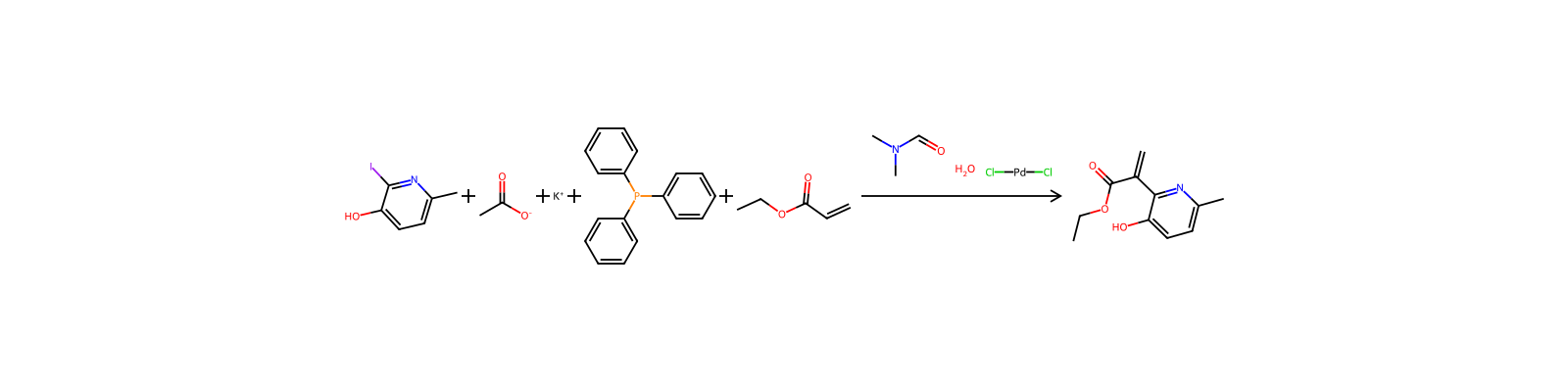
Reaktionsgleichung von HRID 1752
HRID 1752als Eduktuspto-grants-1998_03
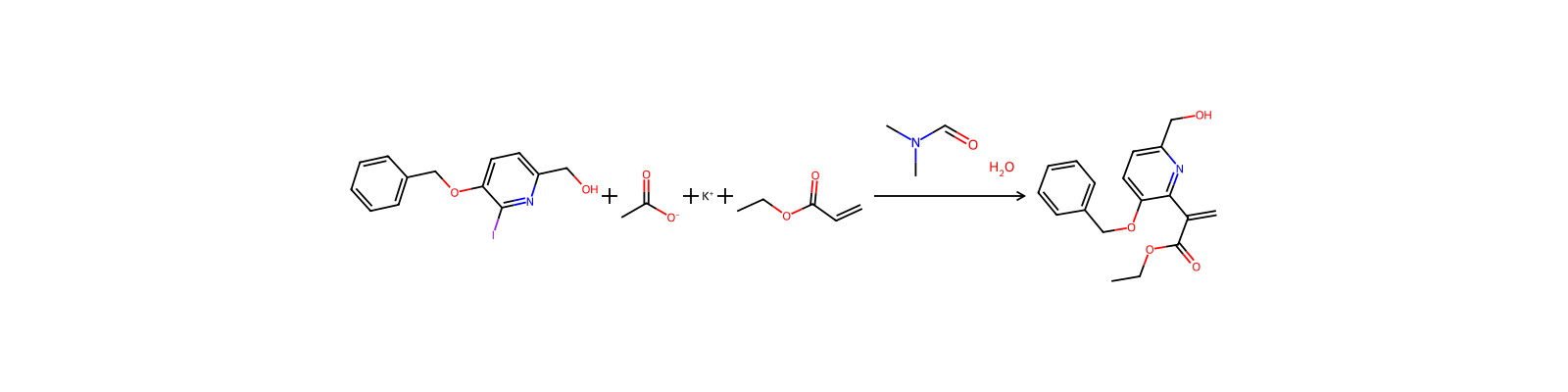
Reaktionsgleichung von HRID 1753
HRID 1753als Eduktuspto-grants-1998_03
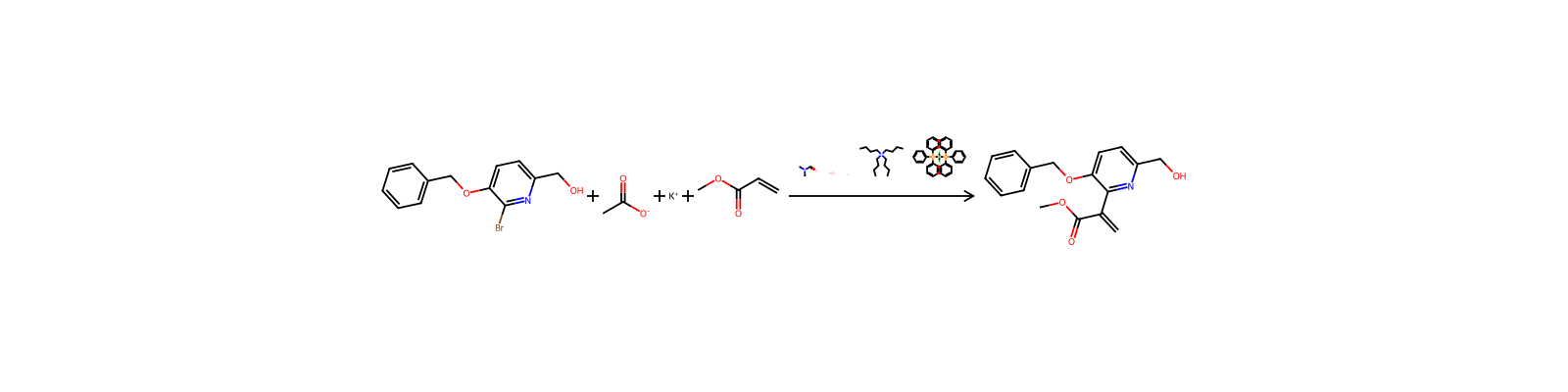
Reaktionsgleichung von HRID 1754
HRID 1754als Eduktuspto-grants-1998_03
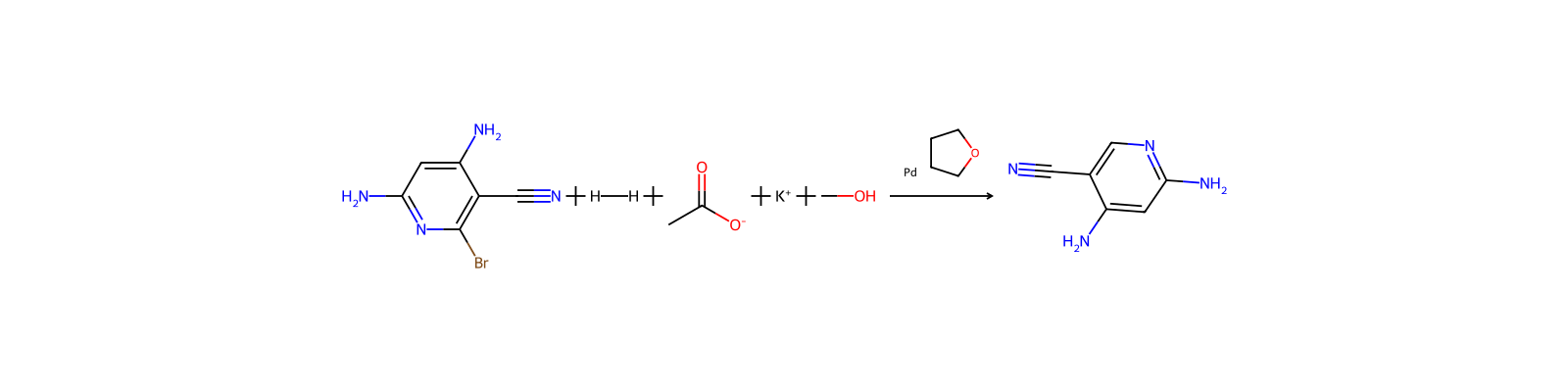
Reaktionsgleichung von HRID 1755
HRID 1755als Eduktuspto-grants-1998_03
Reaktionsgleichung von HRID 1756
HRID 1756als Eduktuspto-grants-1998_03
Reaktionsgleichung von HRID 1757
HRID 1757als Eduktuspto-grants-1998_03
Reaktionsgleichung von HRID 1758
HRID 1758als Eduktuspto-grants-1998_03
Reaktionsgleichung von HRID 3415
HRID 3415als Eduktuspto-grants-1998_03
Seite 1 von 500

Notizen zur Verbindung

Wird geladen…

Auf dieser SeiteGrundinformationenNamen und BezeichnerEigenschaftenSicherheit und RegulatorischesChemie und IndustrieZugehörige ReaktionenNotizen zur Verbindung
Weitere Aktionen
Neue NotizNeue ReaktionAnfrage stellen
Brechungsindex
20 · n20/D 1.370
Flammpunkt
250 ℃ · >250℃
storage temp.
room temp
Löslichkeit
65 % · 65% soluble in water, 35% soluble in alcohol, insoluble in most oils
pka
4.756 · 4.756[at 20 ℃]
Aggregatzustand
Solid
Farbe
White to light brown
Wichte
1.57 · 1.57
Geruch (Odor)
Odorless
PH
7.87 · 7.87(1 mM solution);8.33(10 mM solution);8.75(100 mM solution);9.06(1000 mM solution)
Biologische Quelle
synthetic
Wasserlöslichkeit
2694 g/L · 2694 g/L (25 ºC)
Merck
14 · 14,7605
BRN
3595449 · 3595449
Stabilität
Deliquescent. Stable. Incompatible with strong oxidizing agents.
Kosmetik-Inhaltsstoffe Funktionen
FILM FORMING
InChI
1S/C2H4O2.K/c1-2(3)4;/h1H3,(H,3,4);/q;+1/p-1
InChIKey
SCVFZCLFOSHCOH-UHFFFAOYSA-M
SMILES
[K+].CC([O-])=O
LogP
-3.72 · -3.72
CAS Datenbank
127 · 127-08-2(CAS DataBase Reference)
NIST chemische Informationen
Potassium acetate(127-08-2)
EPA chemische Informationen
Potassium acetate (127-08-2)
Fire HazardsCombustible.
Hazards SummaryA mild skin and eye irritant; [ICSC] Not irritating to eyes of rabbits; [IUCLID] Allowable daily intake (ADI) of not limited [JECFA] May cause irritation; [Aldrich MSDS]
EPA Safer ChemicalChemical: Potassium acetate; Green circle - The chemical has been verified to be of low concern based on experimental and modeled data.
Chemical DangersDecomposes on heating and on contact with strong acids. This produces acetic acid fumes. Reacts violently with strong oxidants. The solution in water is a weak base.
Hazard Classes and Categories · 2 Einträge

Skin Irrit. 2 (11.5%);Eye Irrit. 2 (12.7%);STOT SE 3 (11.5%)

Not Classified

Sicherheit und Schutzausrüstung

Fire FightingUse water spray, foam, powder, carbon dioxide.
First Aid Measures · 4 Einträge

Fresh air, rest.

Rinse and then wash skin with water and soap.

First rinse with plenty of water for several minutes (remove contact lenses if easily possible), then refer for medical attention.

Rest.

Safe StorageSeparated from strong acids and strong oxidants.
Spillage Disposal · 1 Eintrag

Personal protection: particulate filter respirator adapted to the airborne concentration of the substance. Sweep spilled substance into covered containers. If appropriate, moisten first to prevent dusting. Wash away remainder with plenty of water.

Eye PreventionWear safety goggles.
Fire PreventionNO open flames.
Inhalation RiskNo indication can be given about the rate at which a harmful concentration of this substance in the air is reached.
Skin PreventionProtective gloves.
Ingestion PreventionDo not eat, drink, or smoke during work.
Inhalation PreventionUse local exhaust.
Effects of Short Term ExposureThe substance is mildly irritating to the eyes and skin.
Protective Action Criteria (PAC) · 3 Einträge

9.8 [mg/m3]

110 [mg/m3]

640 [mg/m3]

Toxikologische Informationen

Exposure RoutesThe substance can be absorbed into the body by ingestion.
Toxicity SummarySafe in the present practices of use and concentration. Ingredient, concentration, and use information are available in documents discoverable at https://cir-reports.cir-safety.org
Signs and Symptoms · 2 Einträge

Redness.

Redness.

Regulatorische Informationen

Regulatory Information · 4 Einträge

Chemical: Acetic acid, potassium salt

Acetic acid, potassium salt (1:1) is listed on the EPA's Chemical Data Reporting (CDR) system. Manufacturers and importers of Acetic acid, potassium salt (1:1) are required to report information about their production and use of this chemical to the EPA under the Toxic Substances Control Act (TSCA). (40 eCFR Part 711)

Status: Active Update: 21-04-2023 https://echa.europa.eu/registration-dossier/-/registered-dossier/15104

Potassium acetate: Non hazardous

Sicherheitsdaten

wgk
1
tsca
TSCA listed
hs_code
29159000
RTECS-Nr.
AJ3325000
Toxizität
LD50 orally in rats: 3.25 g/kg, H. F. Smyth et al., Am. Ind. Hyg. Assoc. J. 30, 470 (1969)
hazard_note
Hygroscopic
safety_code
26-24/25
Speicherklasse
13 - Non Combustible Solids

Textiles (Fiber & Fabric Manufacturing) [Category: Industry];Glass Manufacturing [Category: Industry]

U.S. Production2023: 250,000,000 - <400,000,000 lb;2022: 250,000,000 - <400,000,000 lb;2021: 250,000,000 - <400,000,000 lb;2020: 100,000,000 - <250,000,000 lb
Consumer UsesAnti-scaling agent;Not Known or Reasonably Ascertainable;Soil amendments (fertilizers);Preservative;Flame retardant;Lubricating agent;Other;Anti-freeze agent
Industry Uses · 1 Eintrag

Chemical reaction regulator;pH regulating agent;Other;Lubricating agent;Anti-freeze agent;Defoamer;Laboratory chemicals;Intermediate;Preservative;Soil amendments (fertilizers);Catalyst;Corrosion inhibitor;Not Known or Reasonably Ascertainable;Flame retardant

Household ProductsInformation on 3 consumer products that contain Potassium Acetate in the following categories is provided:;• Inside the Home
Use Classification · 5 Einträge

EPA Safer Chemical Functional Use Classes -> Processing Aids and Additives

Safer Chemical Classes -> Green circle - The chemical has been verified to be of low concern

Food additives

Food Additives -> ACIDITY_REGULATOR; PRESERVATIVE -> JECFA Functional Classes

Cosmetics -> Film forming

General Manufacturing Information · 2 Einträge

Pesticide, Fertilizer, and Other Agricultural Chemical Manufacturing;Soap, Cleaning Compound, and Toilet Preparation Manufacturing;Wholesale and Retail Trade;Agriculture, Forestry, Fishing and Hunting;Plastics Material and Resin Manufacturing;Not Known or Reasonably Ascertainable;Construction;All Other Chemical Product and Preparation Manufacturing;Miscellaneous Manufacturing;Food, beverage, and tobacco product manufacturing;All Other Basic Organic Chemical Manufacturing

Acetic acid, potassium salt (1:1): ACTIVE

Anwendungen · 2 Einträge

BeschreibungPotassium acetate (CH3CO2K) is the potassium salt of acetic acid.

Verwenden1) Potassium acetate, crystalline powder, USP is, as its name suggests, the potassium salt of acetic acid and is used as a catalyst for producing polyurethanes2) In the food industry it is used as a food additive, an acidity regulator and a preservative

Darstellung

synthetischePotassium acetate is prepared by addition of potassium carbonate in a small volume of water to acetic acid solution, followed by evaporation and crystallization: K2CO3+ 2CH3COOH →2CH3COOK + H2O

Vor- und nachgelagerte Produkte

Vorgelagerte Rohstoffe

KaliumhydroxidEssigsureKaliumcarbonat

Nachgelagerte Produkte

Zimtsurecintofen2,2'-(1-Methyl-2,6-piperidinediyl)diacetophenon4-Amino-3-methoxyphenylboronic acid, pinacol ester3,4-(Methylenedioxy)cinnamic acid5-bromo-1H-indazole(4-Oxo-3,4-dihydrophthalazin-1-yl)acetic acid4-Nitrophenylboronic acidribonucleic acid for injectionDesoxycortonacetat1-Naphthylessigsure2,4-Dinitrophenylhydrazin5-Iodoindole5-Bromo-4-(trifluoromethyl)pyrimidine3-(1,3-Benzodioxol-5-yl)-2-propenoyl chlorideTetrahydro-2,5-dimethoxyfuran2-(4-Bromophenyl)thiopheneEthylacetatEthylendi(acetat)17,21-Dihydroxy-16β-methylpregna-1,4,9(11)-trien-3,20-dion-21-acetat3,4-XylidinFENPICLONILAllylacetatIndol-3-ylessigsure4-Vinylpyridin2-Amino-9,9-dimethylfluoreneCortison-21-acetat

Ergänzende Hinweise

DefinitionChEBI: A potassium salt comprising equal numbers of potassium and acetate ions