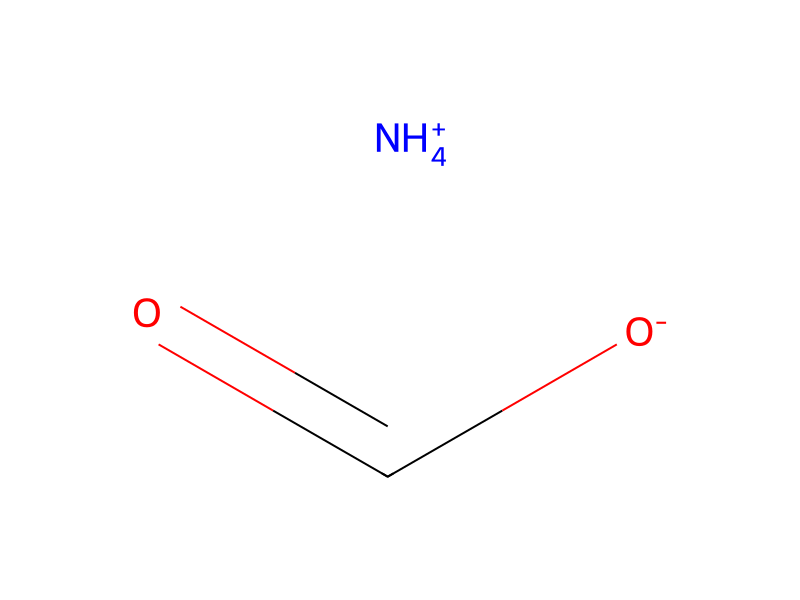
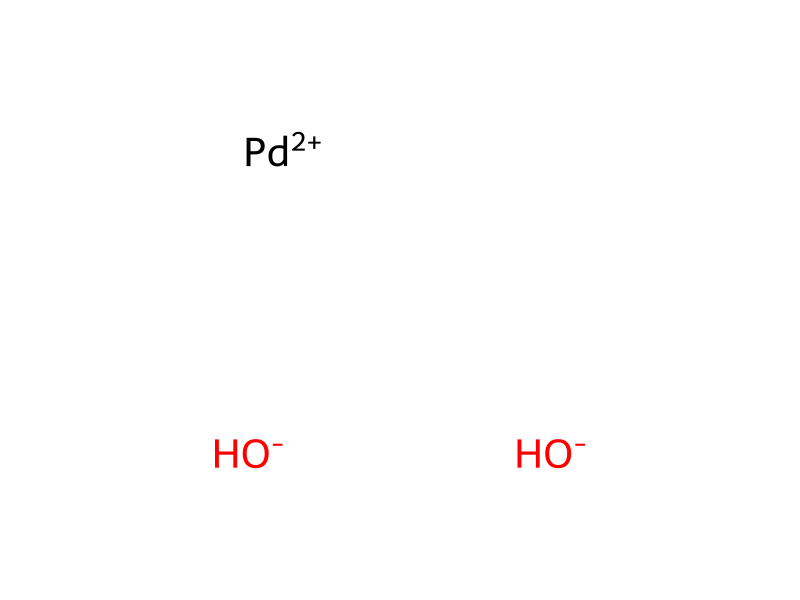
[OH:1][CH2:2][CH2:3][C:4]1[CH:9]=[CH:8][C:7]([CH:10]=[CH:11][N:12]2[C:20](=[O:21])[C:19]3[C:14](=[CH:15][CH:16]=[CH:17][CH:18]=3)[C:13]2=[O:22])=[CH:6][CH:5]=1.C([O-])=O.[NH4+]>C(O)C.C(OCC)(=O)C.[OH-].[OH-].[Pd+2]>[OH:1][CH2:2][CH2:3][C:4]1[CH:5]=[CH:6][C:7]([CH2:10][CH2:11][N:12]2[C:13](=[O:22])[C:14]3[C:19](=[CH:18][CH:17]=[CH:16][CH:15]=3)[C:20]2=[O:21])=[CH:8][CH:9]=1To a stirred solution of 2-{2-[4-(2-Hydroxy-ethyl)-phenyl]-vinyl}-isoindole-1,3-dione (Preparation 9, 10 g) in ethanol and ethyl acetate (350 mL each) was added 30% palladium hydroxide on carbon (1.44 g) followed by ammonium formate (21.5 g). The reaction was heated to 80° C. for 4 hours. Additional palladium hydroxide on carbon (1.44 g) and ammonium formate (21.5 g) were added and the reaction was stirred at 80° C. for 18 hours. The reaction was cooled, filtered through a pad of Arbocel® and rinsed with methanol. The solvent was removed under reduced pressure and the resulting white solid was partitioned between dichloromethane (200 ml) and water (100 ml). The aqueous layer was separated and extracted with further dichloromethane (2×50 mL). The combined organic layers were dried (sodium sulphate) and the solvent removed in vacuo to give the title compound as an off-white solid, 9.11 g.
Wird geladen…