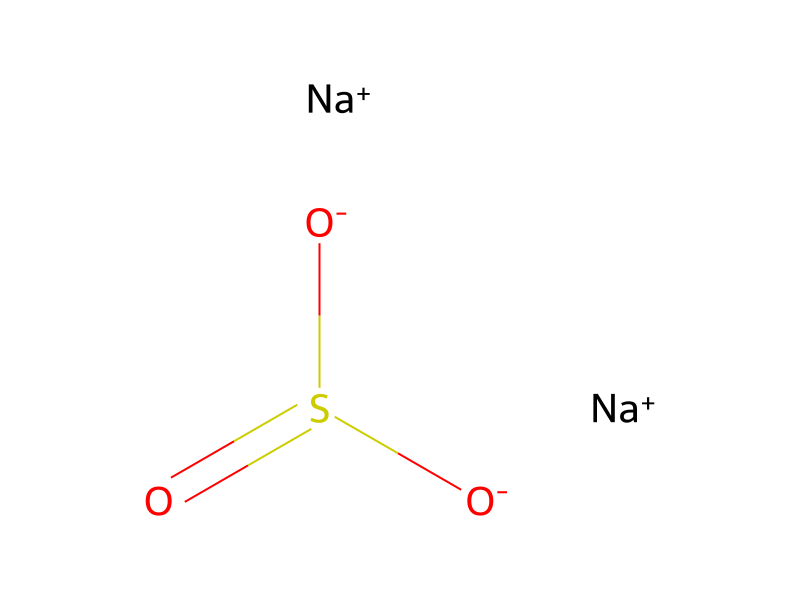
Sodium Sulfite → N-Acetyl-5-Bromo-3-Hydroxyindole
Reaktionsgleichung

[C:1]([N:4]1[C:12]2[C:7](=[CH:8][C:9]([Br:13])=[CH:10][CH:11]=2)[C:6]([O:14]C(=O)C)=[CH:5]1)(=[O:3])[CH3:2].S([O-])([O-])=O.[Na+].[Na+]>O>[C:1]([N:4]1[C:12]2[C:7](=[CH:8][C:9]([Br:13])=[CH:10][CH:11]=2)[C:6]([OH:14])=[CH:5]1)(=[O:3])[CH3:2]Komponenten
4
Edukt 2

Produkt 1

Reagenzien, Katalysatoren, Lösungsmittel 1

Reaktionsbedingungen
- Temperatur
- 80 °C
Versuchsvorschrift
1-acetyl-5-bromo-3-acetoxyindole (1.0 g, 3.38 mmol) and sodium sulfite (1.0 g, 7.94 mmol) were mixed in 20 ml water. After heated for 3 hours at 80° C., the reaction mixture was cooled down to room temperature, and then extracted with ethyl acetate (50 ml×2). The combined organic phases were dried and evaporated to obtain a solid as white needles (1-acetyl-5-bromo-3-hydroxyindole) (0.7 g, yield: 82%; mp: 180-182° C.).
Aufarbeitung
- temperaturethe reaction mixture was cooled down to room temperature
- extractionextracted with ethyl acetate (50 ml×2)
- customThe combined organic phases were dried
- customevaporated
Quellen und Nachweise
- ORD-Eintrag
- ord-66d5718b03344212b457772f11c45443
- Quelldatensatz
- uspto-grants-2014_02
- Patentnummer
- US08642765B2
Notizen zur Reaktion
Wird geladen…