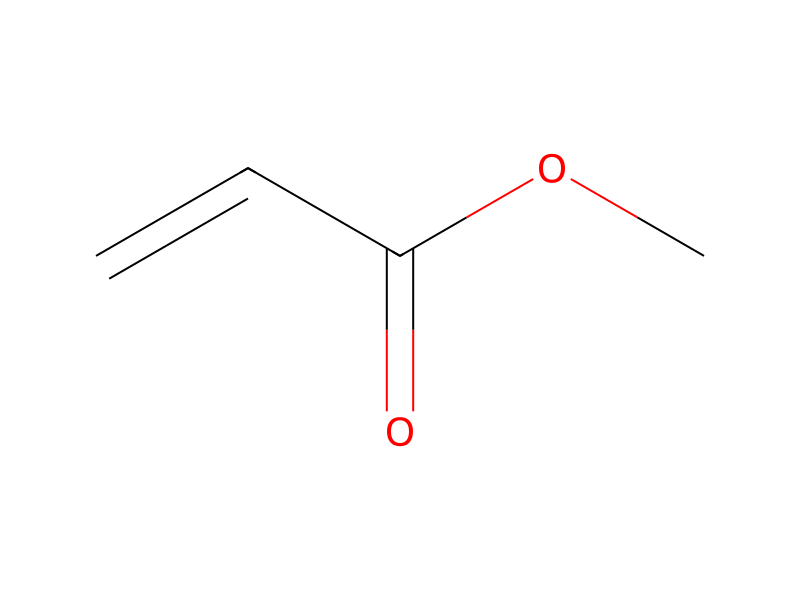
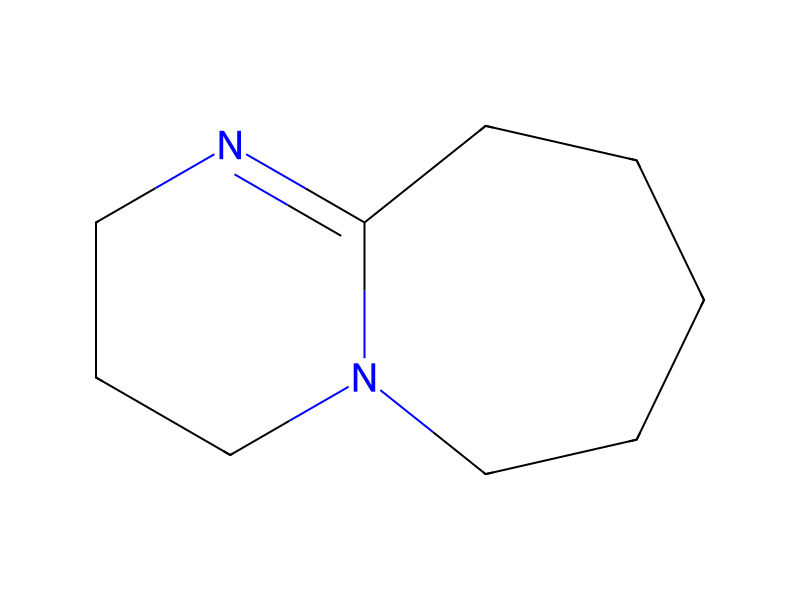
[SH:1][CH2:2][C:3]1[CH:4]=[C:5]([CH:9]=[CH:10][CH:11]=1)[C:6]([OH:8])=[O:7].[C:12]([O:16][CH3:17])(=[O:15])[CH:13]=[CH2:14].N12CCCN=C1CCCCC2>C(#N)C>[CH3:17][O:16][C:12](=[O:15])[CH2:13][CH2:14][S:1][CH2:2][C:3]1[CH:4]=[C:5]([CH:9]=[CH:10][CH:11]=1)[C:6]([OH:8])=[O:7]Into a 50-mL round bottom flask purged and maintained with an inert atmosphere of nitrogen, was placed a solution of 3-(mercaptomethyl)benzoic acid (500 mg, 2.97 mmol, 1.00 equiv) in acetonitrile (10.0 mL), then methyl acrylate (10.0 mL) and 1,8-diazabicyclo[5.4.0]undec-7-ene (1.0 g, 6.57 mmol, 2.00 equiv) were added in series. The resulting solution was heated to reflux overnight. The resulting mixture was concentrated under vacuum. The residue was applied onto a silica gel column and eluted with ethyl acetate/petroleum ether (0˜1:6). This resulted in 220 mg (28%) of 3-((3-methoxy-3-oxopropylthio)methyl)benzoic acid as a light-red oil.