Formaldehyde → 7-Bromo-2-dimethylaminomethyl-1-tetralone hydrochloride
Reaktionsgleichung

[Br:1][C:2]1[CH:11]=[C:10]2[C:5]([CH2:6][CH2:7][CH2:8][C:9]2=[O:12])=[CH:4][CH:3]=1.[ClH:13].[CH3:14][NH:15][CH3:16].[CH2:17]=O>Cl.C(O)C>[ClH:13].[Br:1][C:2]1[CH:11]=[C:10]2[C:5]([CH2:6][CH2:7][CH:8]([CH2:14][N:15]([CH3:17])[CH3:16])[C:9]2=[O:12])=[CH:4][CH:3]=1Komponenten
6
Edukt 3

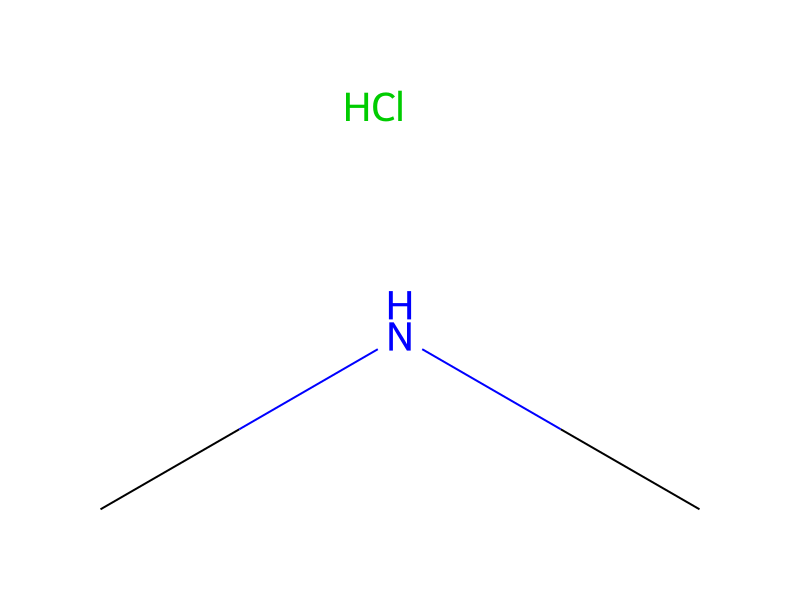

Produkt 1

Reagenzien, Katalysatoren, Lösungsmittel 2


Versuchsvorschrift
A mixture of 7-bromo-1-tetralone (4.50 g), dimethylamine hydrochloride (2.50 g), paraformaldehyde (1.0 g), ethanol (6 ml) and concentrated hydrochloric acid (4 drops) was heated under reflux for two hours and cooled. The mixture was diluted with a few ml. of acetone and the solid was filtered off, washed with a little acetone and dried to give 7-bromo-2-dimethylaminomethyl-1-tetralone hydrochloride, m.p. 169°-171°, pure enough for further reaction.
Aufarbeitung
- temperaturewas heated
- temperatureunder reflux for two hours
- temperaturecooled
- additionThe mixture was diluted with a few ml
- filtrationof acetone and the solid was filtered off
- washwashed with a little acetone
- customdried
Quellen und Nachweise
- ORD-Eintrag
- ord-51f045b541964c298852d3873cb3fc6d
- Quelldatensatz
- uspto-grants-1985_01
- Patentnummer
- US04496572
Notizen zur Reaktion
Wird geladen…