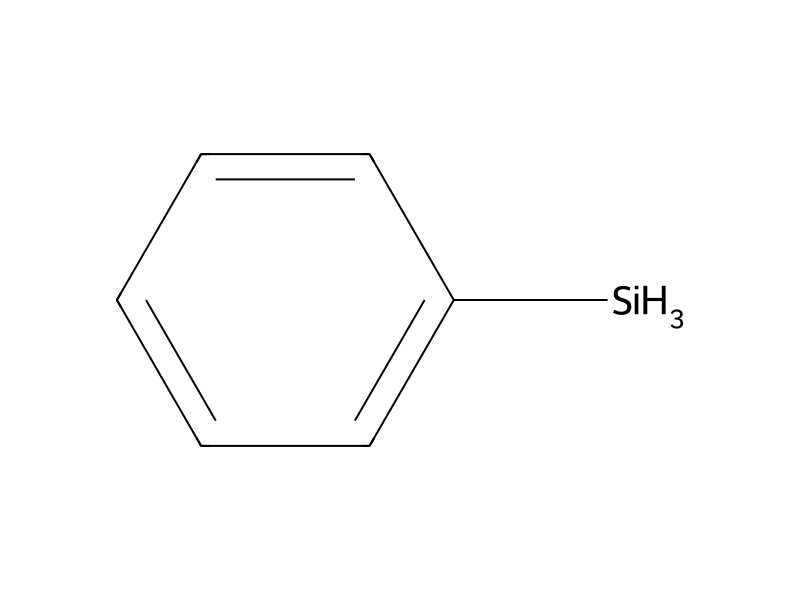
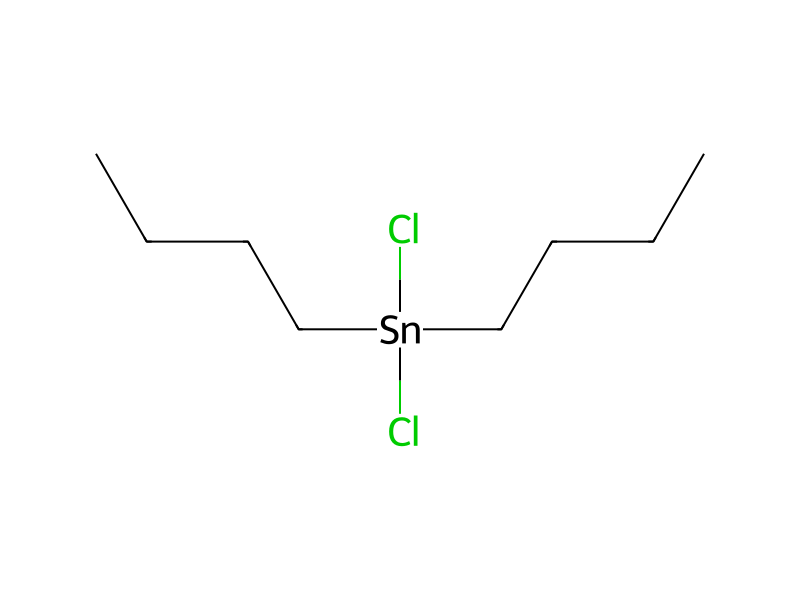
[CH3:1][O:2][C:3]([C:5]1[S:6][C:7]([Br:11])=[CH:8][C:9]=1[NH2:10])=[O:4].[CH2:12]1[O:22][C:15]2([CH2:20][CH2:19][C:18](=O)[CH2:17][CH2:16]2)[O:14][CH2:13]1.C1([SiH3])C=CC=CC=1>C1COCC1.C([Sn](Cl)(Cl)CCCC)CCC>[CH3:1][O:2][C:3]([C:5]1[S:6][C:7]([Br:11])=[CH:8][C:9]=1[NH:10][CH:18]1[CH2:19][CH2:20][C:15]2([O:22][CH2:12][CH2:13][O:14]2)[CH2:16][CH2:17]1)=[O:4]A suspension of 3-amino-5-bromo-thiophene-2-carboxylic acid methyl ester (17.0 g, 72.0 mmol) in dry THF (21 mL) is treated with 1,4-cyclohexanedione monoethylene ketal (11.3 mg, 72.0 mmol), followed by dibutyltin dichloride (1.098 g, 3.6 mmol). After 5 min, phenyl silane (9.74 mL, 79.2 mmol) is added and the reaction mixture is stirred over-night at room temperature. After concentration, the residue is dissolved in EtOAc washed with NaHCO3 then brine. The organic layer is separated, dried on Na2SO4, filtered and concentrated. The crude material is diluted in hexane (500 mL). After filtration, the mother liquor is evaporated to dryness to give 5-bromo-3-(1,4-dioxa-spiro[4.5]dec-8-ylamino)-thiophene-2-carboxylic acid methyl ester (24.79 g, 92% yield).