Reaktionsgleichung
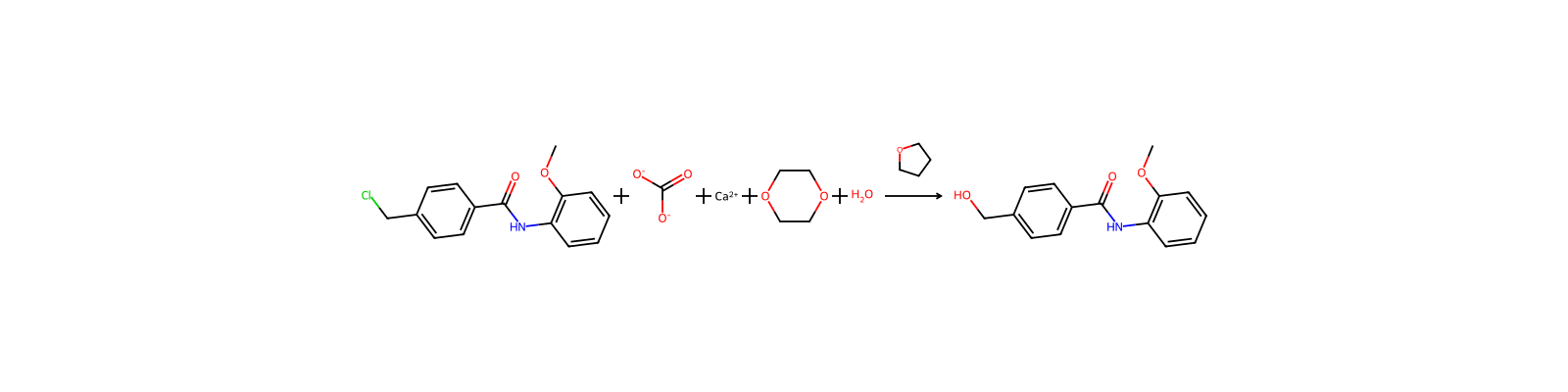
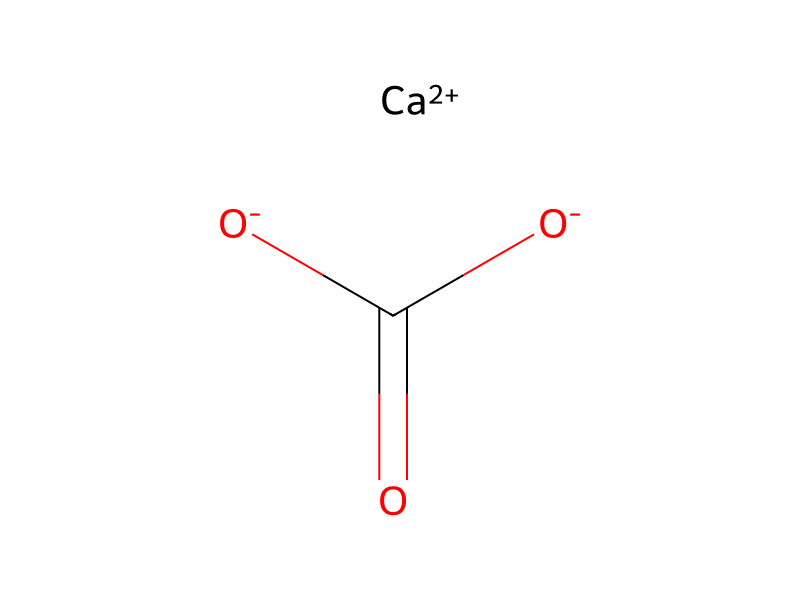
Cl[CH2:2][C:3]1[CH:19]=[CH:18][C:6]([C:7]([NH:9][C:10]2[CH:15]=[CH:14][CH:13]=[CH:12][C:11]=2[O:16][CH3:17])=[O:8])=[CH:5][CH:4]=1.C(=O)([O-])[O-:21].[Ca+2].O1CCOCC1.O>C1COCC1>[OH:21][CH2:2][C:3]1[CH:19]=[CH:18][C:6]([C:7]([NH:9][C:10]2[CH:15]=[CH:14][CH:13]=[CH:12][C:11]=2[O:16][CH3:17])=[O:8])=[CH:5][CH:4]=1Komponenten
Edukt 3


Produkt 1

Reagenzien, Katalysatoren, Lösungsmittel 1

Versuchsvorschrift
4-Chloromethyl-N-(2-methoxyphenyl)benzamide (500 mg, 1.81 mmol) and precipitated calcium carbonate (970 mg, 9.7 mmol) were suspended in a dioxane-water (1:1) mixture solution (9 ml) and subjected to 25 hours of heating under reflux. After adding THF (25 ml) and filtering off the formed insoluble materials, the organic solvent was removed by evaporation. The thus obtained residue was extracted with ethyl acetate, and the resulting organic layer was washed with saturated brine and dried on anhydrous magnesium sulfate. After removing the solvent by evaporation, the resulting colorless solid material was purified by subjecting it to a silica gel column chromatography (ether:hexane=3:1), thereby obtaining 411 mg (88.3%) of the title compound in the form of colorless crystals.
Aufarbeitung
- temperatureof heating
- temperatureunder reflux
- filtrationfiltering off the formed insoluble materials
- customthe organic solvent was removed by evaporation
- extractionThe thus obtained residue was extracted with ethyl acetate
- washthe resulting organic layer was washed with saturated brine
- dry with materialdried on anhydrous magnesium sulfate
- customAfter removing the solvent
- customby evaporation
- customthe resulting colorless solid material was purified
Quellen und Nachweise
- ORD-Eintrag
- ord-721576edcf544abdbf97d483a0968b14
- Quelldatensatz
- uspto-grants-1998_03
- Patentnummer
- US05728835
Verknüpfte Notizen
Wird geladen…