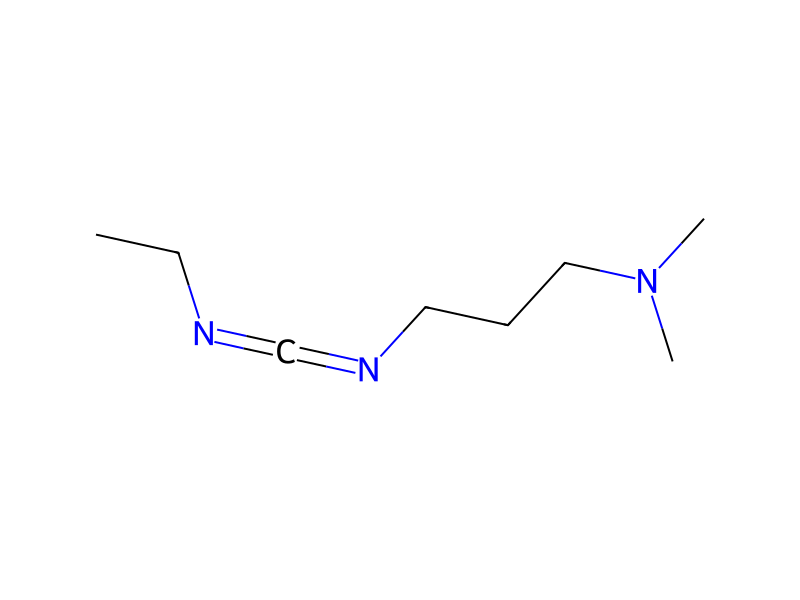
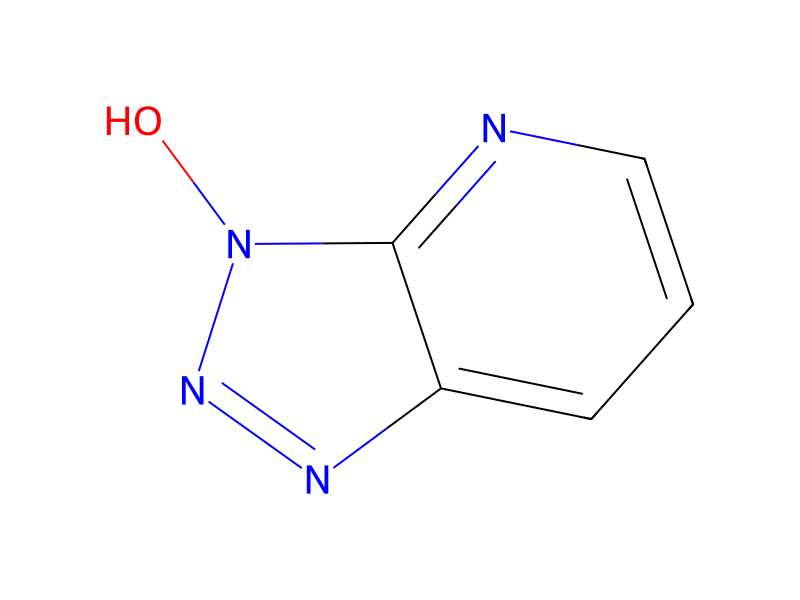
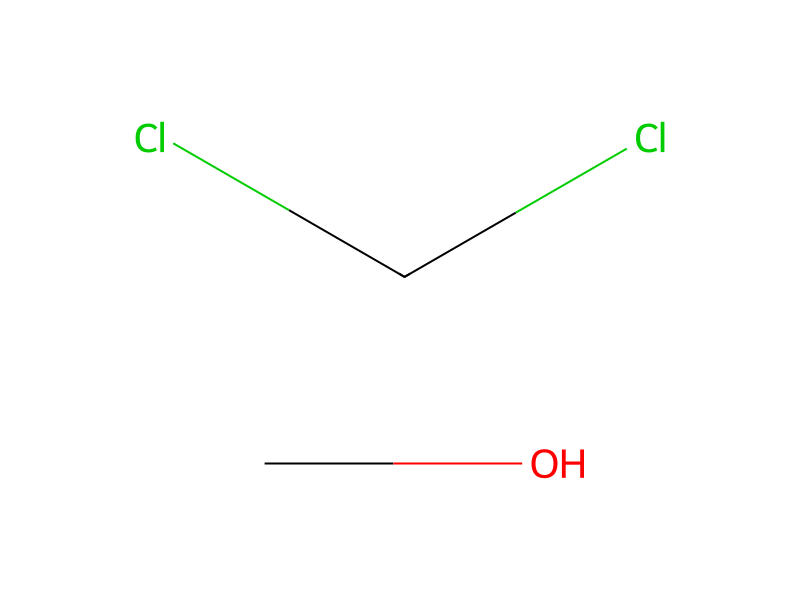
(3-Chloropyrazin-2-yl)methanamine hydrochloride (content 77%, 1.634 g, 6.99 mmol) and 1-methyl-5-oxopyrrolidine-3-carboxylic acid (1.000 g, 6.99 mmol) were suspended in dichloromethane (20 ml) and the reaction mixture was cooled to 0° C. under an argon atmosphere. N,N-diisopropylethylamine (3.05 ml, 17.48 mmol), 1-ethyl-3-(3-dimethylaminopropyl)carbodiimide) hydrochloride (1.474 g, 7.69 mmol) and 1-hydroxy-7-azabenzotriazole (0.476 g, 3.50 mmol) were added and the reaction mixture was stirred at room temperature overnight. Reaction was worked up by evaporting the solvents and a dark brown oil was obtained. This crude product was submitted to column chromatography (silica gel; dichloromethane/methanol 96/4) to yield impure material that was further purified by column chromatography (silica gel; dichloromethane/methanol 99/1) to give N-((3-chloropyrazin-2-yl)methyl)-1-methyl-5-oxopyrrolidine-3-carboxamide (1.24 g).