Reaktionsgleichung

[OH-].[K+:2].[O-:3][P:4]([O:7][P:8]([O:11][P:12]([O-:15])([O-:14])=[O:13])([O-:10])=[O:9])([O-:6])=[O:5].[Na+:16].[Na+].[Na+].[Na+].[Na+].[O-]P(OP(OP([O-])([O-])=O)([O-])=O)([O-])=O>>[O-:6][P:4]1([O:7][P:8]([O-:10])(=[O:9])[O:11][P:12]([O-:14])(=[O:13])[O:15]1)=[O:5].[Na+:16].[Na+:16].[Na+:16].[OH-:3].[K+:2]Komponenten
5

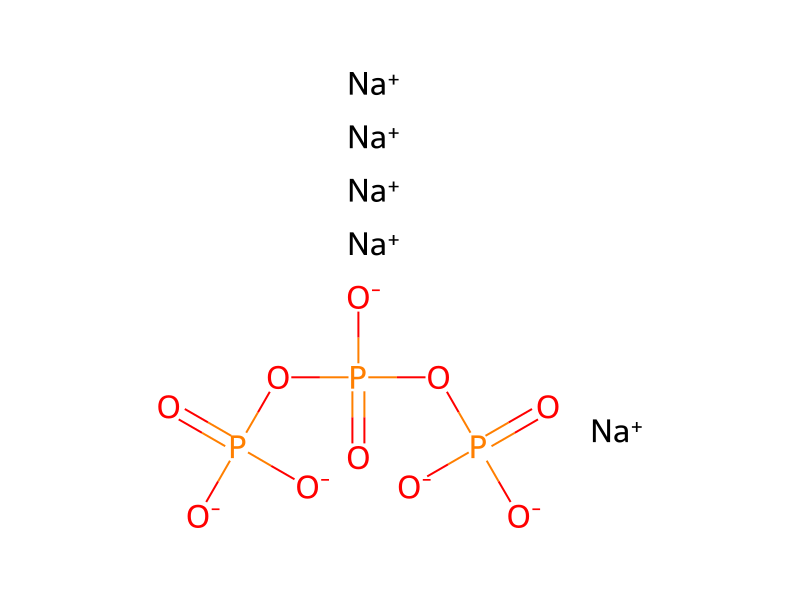


Versuchsvorschrift
Example 4 illustrates that the addition of potassium hydroxide to sodium tripolyphosphate (wherein the level of the tripolyphosphate anion concentration was about equal to that which results by hydrolyzing 13.3% sodium trimetaphosphate with KOH) did not solubilize the sodium tripolyphosphate and a very heavy precipitate was observed.
Aufarbeitung
- concentrationanion concentration
Quellen und Nachweise
- ORD-Eintrag
- ord-d61ede4a8b27488fb1dc0a9c8e10efe8
- Quelldatensatz
- uspto-grants-1993_05
- Patentnummer
- US05213706
Verknüpfte Notizen
Wird geladen…