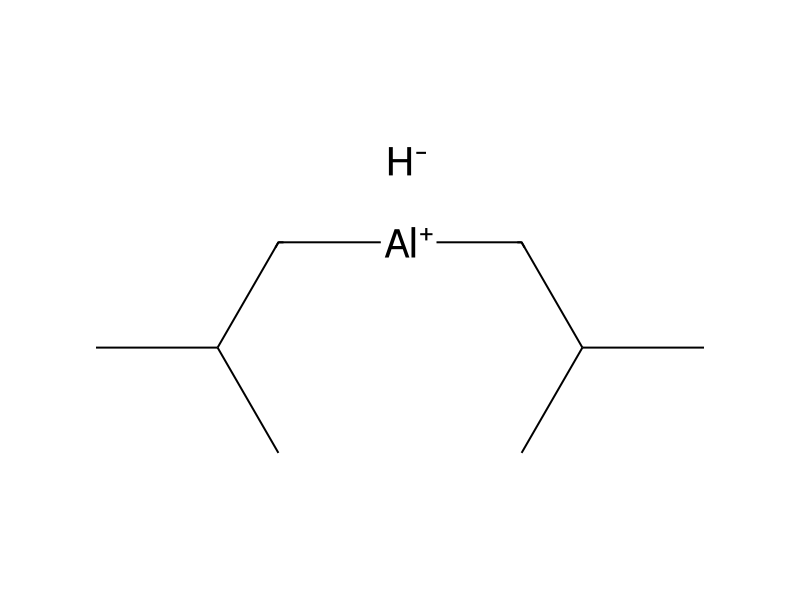
20 g (62.5 mmol) of methyl 4-(4′-fluorophenyl)-6-isopropyl-2-methylthio-pyrimidin-5-yl-carboxylate (10) and 300 mL of dry anhydrous toluene were loaded in a IL three-neck round bottomed flask, equipped with a mechanical stirrer and an air duct, and stirred under a nitrogen atmosphere. 100 mmol of diisobutyl aluminum hydride (DIBAI-H) was then added in batches into the mixture while cooling in an ice-salt bath. After TLC assay showed that the starting compound (10) was depleted, the reaction mixture was warmed up to room temperature and further reacted for 2-3 hours. 500 mL of water was then added, and the organic layer was collected, washed with water (200 mL×2) and a saturated solution of sodium chloride (200 mL×1), and then dried overnight over anhydrous magnesium sulfate. The mixture was then filtered, evaporated under reduced pressure to remove the solvent, and recrystallized in ethyl acetate, obtaining 16 g of a white crystal, yield 88%.