Reaktionsgleichung
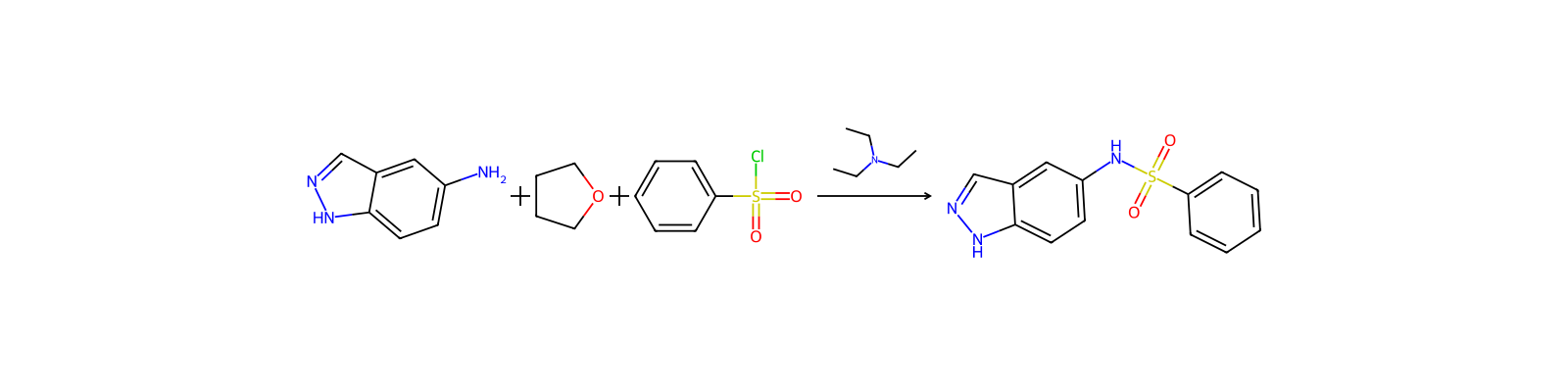
[NH2:1][C:2]1[CH:3]=[C:4]2[C:8](=[CH:9][CH:10]=1)[NH:7][N:6]=[CH:5]2.O1CCCC1.[C:16]1([S:22](Cl)(=[O:24])=[O:23])[CH:21]=[CH:20][CH:19]=[CH:18][CH:17]=1>C(N(CC)CC)C>[NH:7]1[C:8]2[C:4](=[CH:3][C:2]([NH:1][S:22]([C:16]3[CH:21]=[CH:20][CH:19]=[CH:18][CH:17]=3)(=[O:24])=[O:23])=[CH:10][CH:9]=2)[CH:5]=[N:6]1Komponenten
5
Edukt 3
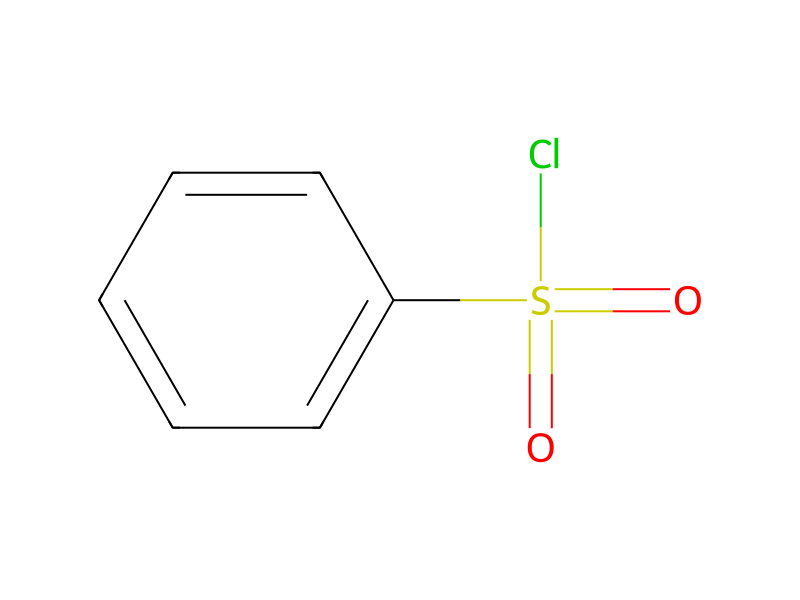

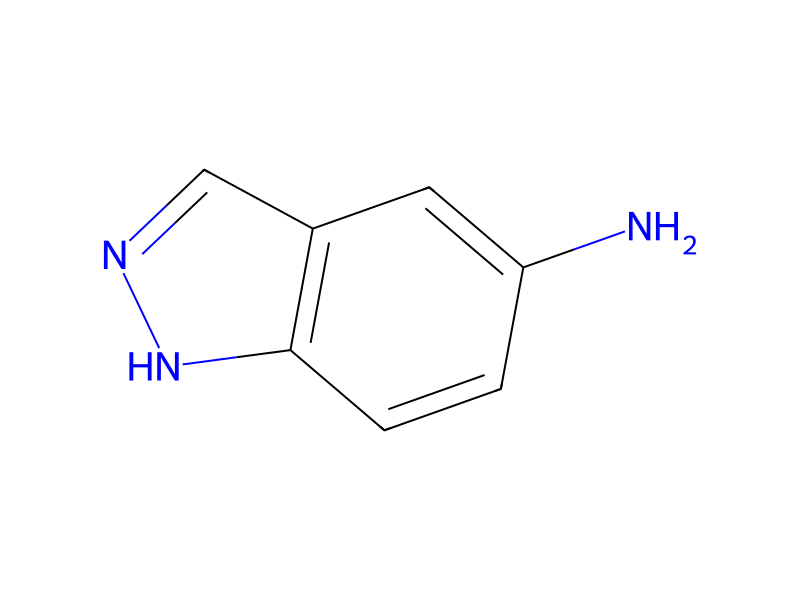
Produkt 1
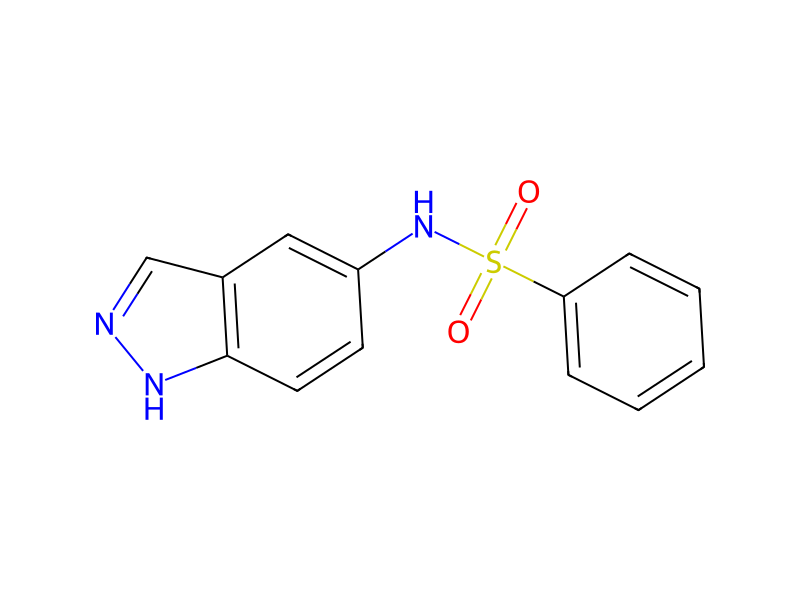
Reagenzien, Katalysatoren, Lösungsmittel 1

Versuchsvorschrift
N-(1H-Indazol-5-yl)benzenesulfonamide can be obtained as described in Example 1 from 0.5 g of 5-amino-1H-indazole, 25 ml of tetrahydrofuran, 1.05 ml of triethylamine and 0.73 g of benzenesulfonyl chloride. 0.6 g of N-(1H-indazol-5-yl)benzenesulfonamide is thus obtained in the form of a cream solid melting at 179° C. (analysis C13H11N3O2S % calculated C, 57.13; H, 4.06; N, 15.37; O, 11.71; S, 11.73. % found C, 56.90; H, 4.24; N, 14.21; S, 10.67).
Quellen und Nachweise
- ORD-Eintrag
- ord-05934cb3b031497c96bada5ab7dfd146
- Quelldatensatz
- uspto-grants-2005_02
- Patentnummer
- US06858638B2
Verknüpfte Notizen
Wird geladen…