Reaktionsgleichung

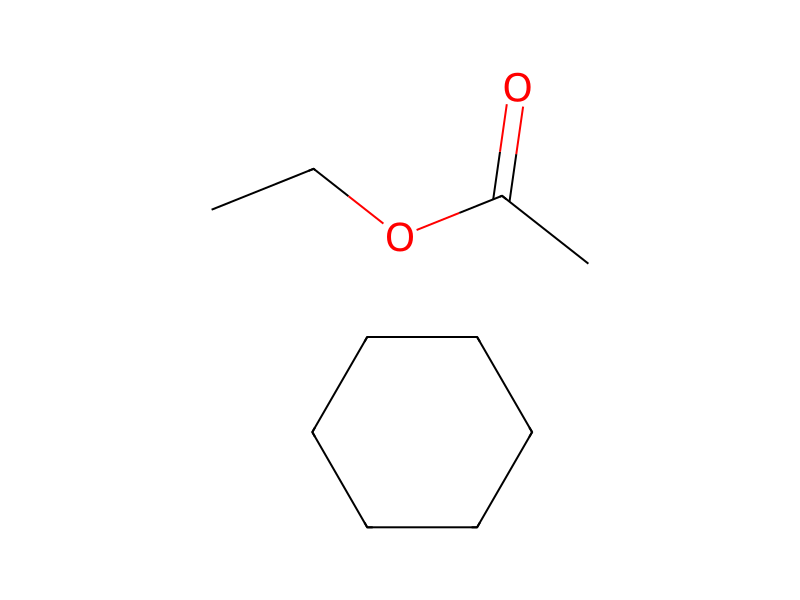
[Cl:1][C:2]1[C:9]([Cl:10])=[C:8]([O:11][CH2:12][O:13][CH2:14][CH2:15][O:16][CH3:17])[C:7]([O:18][CH2:19][O:20][CH2:21][CH2:22][O:23][CH3:24])=[CH:6][C:3]=1[CH:4]=[CH2:5].ClC1C=CC=C(C(OO)=[O:33])C=1>C1CCCCC1.C(OCC)(=O)C>[Cl:1][C:2]12[O:33][C:3]1([CH:6]=[C:7]([O:18][CH2:19][O:20][CH2:21][CH2:22][O:23][CH3:24])[C:8]([O:11][CH2:12][O:13][CH2:14][CH2:15][O:16][CH3:17])=[C:9]2[Cl:10])[CH:4]=[CH2:5]Komponenten
4
Edukt 2


Produkt 1

Reagenzien, Katalysatoren, Lösungsmittel 1
Versuchsvorschrift
Using the procedure of Stage D of Example 40, 13.2 g of thee allylic alcohol of Step C and 10.3 g of m-chloro perbenzoic acid were reacted to obtain 13.7 g of the expected product with a Rf=0.25 (AcOEt-cyclohexane 6-4).
Aufarbeitung
- customwere reacted
Quellen und Nachweise
- ORD-Eintrag
- ord-3ce42197cace4f5dad3160cf94f08e0c
- Quelldatensatz
- uspto-grants-1998_03
- Patentnummer
- US05728828
Verknüpfte Notizen
Wird geladen…