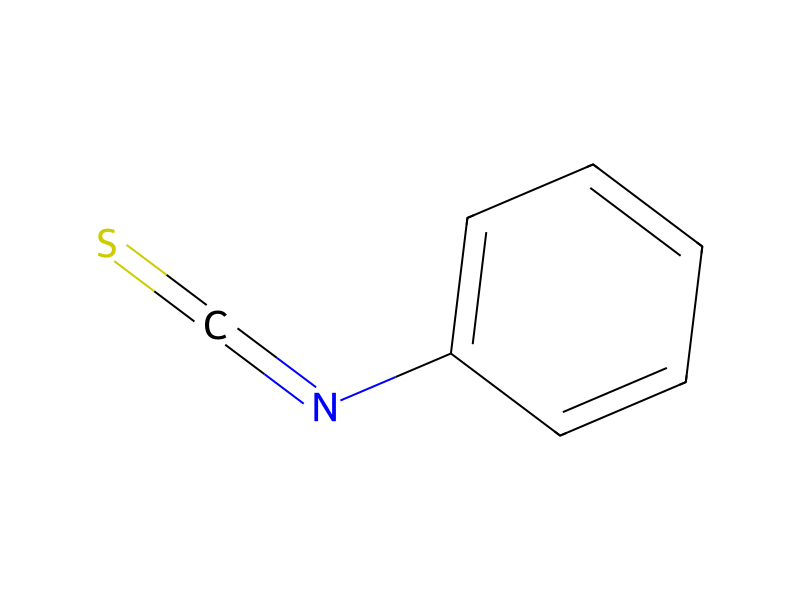
N[C@@H](CC1C=CC=CC=1)C(N[C@H:6]1[N:12]=[C:11]([C:13]2[CH:18]=[CH:17][CH:16]=[CH:15][CH:14]=2)[C:10]2[CH:19]=[CH:20][CH:21]=[CH:22][C:9]=2[N:8]([CH2:23][C:24]2[NH:28][N:27]=[N:26][N:25]=2)[C:7]1=[O:29])=O.C(N(CC)CC)C.C1(N=C=S)C=CC=CC=1>O1CCCC1>[C:13]1([C:11]2[C:10]3[CH:19]=[CH:20][CH:21]=[CH:22][C:9]=3[N:8]([CH2:23][C:24]3[NH:28][N:27]=[N:26][N:25]=3)[C:7](=[O:29])[CH2:6][N:12]=2)[CH:18]=[CH:17][CH:16]=[CH:15][CH:14]=1To a mixture of (3S)-3-[((2S)-2-amino-3phenylpropanoyl)amino]-1,3-dihydro-5-phenyl-1 -[(1H-tetrazol-5-yl)methyl]-2H-1,4-benzodiazepin-2-one (12 g) and triethylamine (3.83 ml) in tetrahydrofuran (240 ml) was added phenyl isothiocyanate (2.99 ml) at room temperature. After stirring for 4 hours at room temperature, the solvent of the reaction mixture was evaporated under reduced pressure. Hydrochloric acid was added to the residue, and then the mixture was extracted with ethyl acetate. The organic layer was washed with water and brine, dried over magnesium sulfate and evaporated under reduced pressure. The residue was crystallized from ether to give (3S)-3-[[(2S)-2-[N'-phenyl)thioureido]-3-phenylpropanoyl]amino ]1,3-dihydro-5-phenyl-1-[(1H-tetrazol-5-yl)methyl]-2H-1,4-benzodiazepin-2-one (14.26 g).