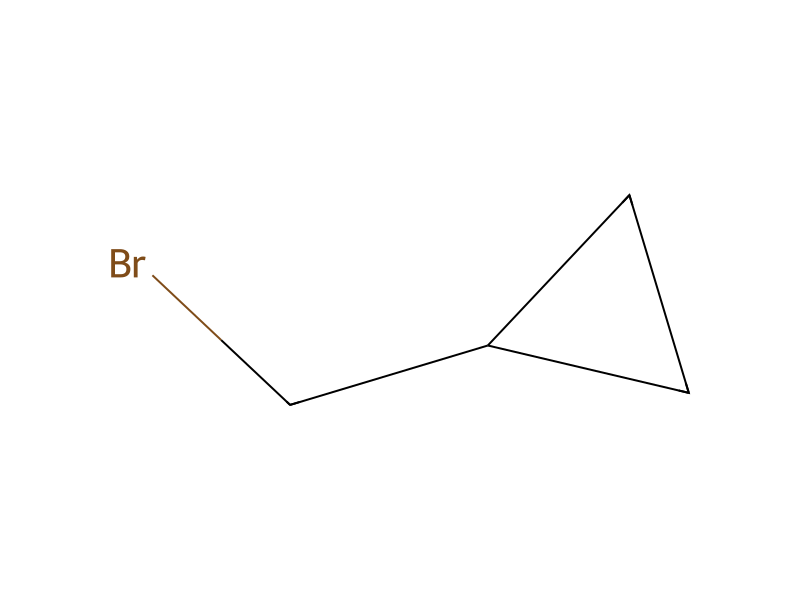
[CH3:1][O:2][C:3]1[CH:4]=[C:5]([C@@:9]23[CH2:18][CH2:17][CH2:16][CH2:15][C@H:14]2[C:13](=[O:19])[NH:12][C:11](=[O:20])[CH2:10]3)[CH:6]=[CH:7][CH:8]=1.[H-].[Na+].[CH:23]1([CH2:26]Br)[CH2:25][CH2:24]1.O>CN(C)C=O.C1C=CC=CC=1>[CH:23]1([CH2:26][N:12]2[C:11](=[O:20])[CH2:10][C@@:9]3([C:5]4[CH:6]=[CH:7][CH:8]=[C:3]([O:2][CH3:1])[CH:4]=4)[C@H:14]([CH2:15][CH2:16][CH2:17][CH2:18]3)[C:13]2=[O:19])[CH2:25][CH2:24]1A solution of 2.0 g (7.3 mmoles) of 4a-(m-methoxyphenyl)-1,3-diketo-trans-decahydroisoquinoline (Ex. 7A) in 50 ml of anhydrous dimethylformamide was added to 35.1 mg of a 55% suspension of sodium hydride in mineral oil in 25 ml of dimethylformamide heated at 70°. Heating was continued for 45 minutes after the addition was complete after which time 1.09 g (8.1 mmoles) of cyclopropylmethyl bromide in 10 ml of dimethylformamide was added. The reaction mixture was heated at 80° for 2 hours and allowed to stand at 25° overnight. It was poured into water and extracted with ether. Evaporation of the ether gave an oil which showed one spot by thin-layer chromatography (silica gel plates, benzene solvent, Rf 0.4, starting material had Rf 0.07) and was identified by nmr as N-cyclopropylmethyl-4a(m-methoxyphenyl)-1,3-diketo-cis-decahydroisoquinoline.