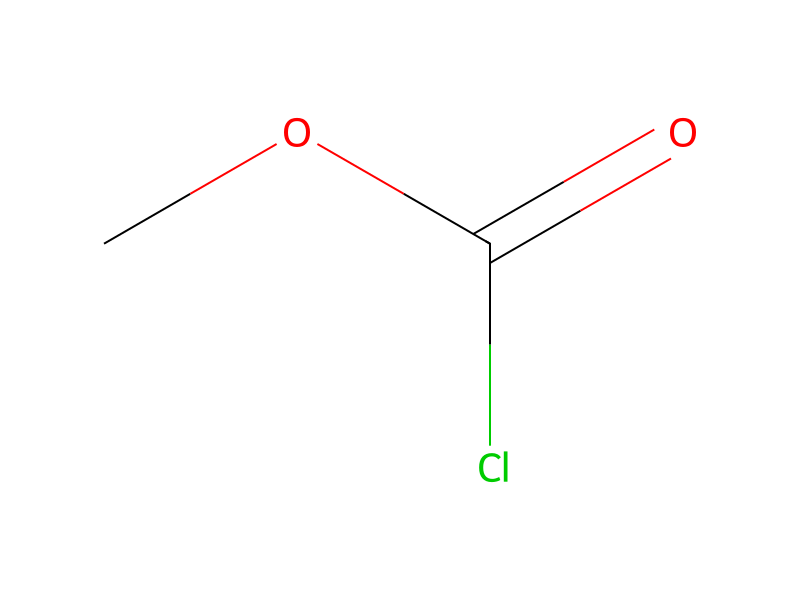
20 G. of 2,4-diamino-6-[3,6-dihydro-1(2H)-pyridyl]-pyrimidine-3-oxide are suspended and stirred in 140 ml. of methylene chloride and 120 ml. of water. While cooling, there are simultaneously added dropwise 8 ml. of chloroformic acid methyl ester in 20 ml. of methylene chloride and sufficient 28% sodium hydroxide so that the pH value is held between 7.0 and 7.5. After completion of the addition, the mixture is stirred for a further 1 hour and the residue is subsequently filtered off. The two phases obtained are separated and the organic phase is treated for 1 hour while stirring at 0° C. with 150 ml. of 1-N sodium hydroxide. The mixture obtained is treated with 20 ml. of methanol and the two phases are separated. The aqueous phase is extracted twice with 200 ml. of methylene chloride and the combined organic extracts are dried over sodium sulfate. By evaporation of the solvent there is obtained pure methyl 2-amino-6-[3,6-dihydro-1(2H)-pyridyl]-4-pyrimidinecarbamate-3-oxide having a melting point of 174°-176° C.