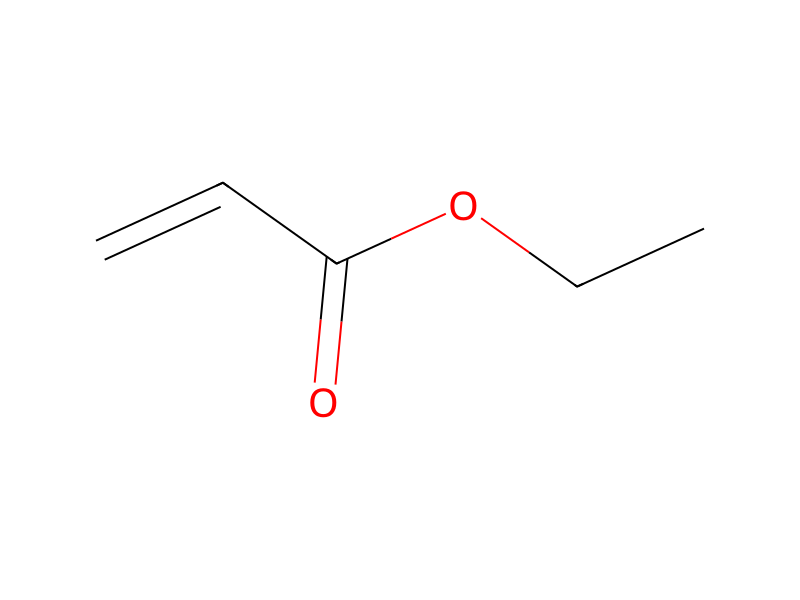
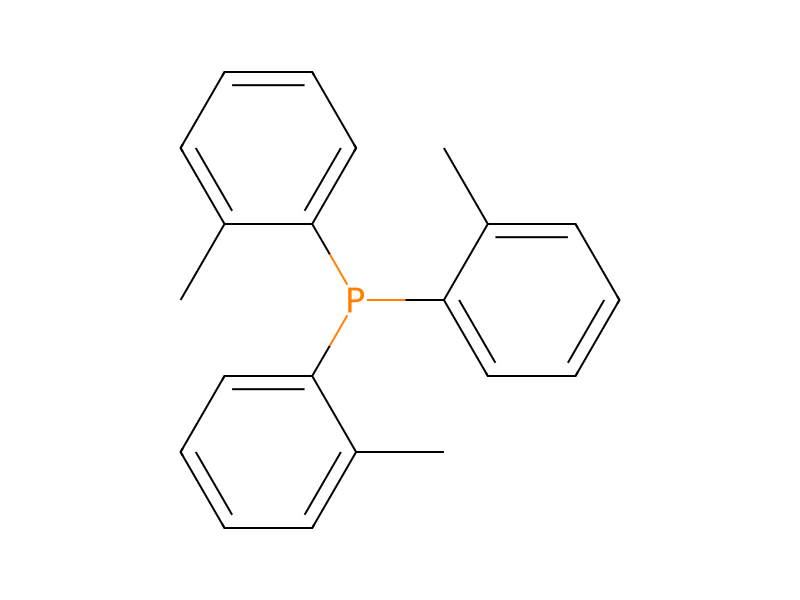
Br[C:2]1[CH:13]=[CH:12][C:5]2[CH2:6][CH2:7][CH2:8][C:9](=[O:11])[CH2:10][C:4]=2[CH:3]=1.[C:14]([O:18][CH2:19][CH3:20])(=[O:17])[CH:15]=[CH2:16].CC1C=CC=CC=1P(C1C=CC=CC=1C)C1C=CC=CC=1C.C(N(CC)CC)C>CN(C)C=O.C([O-])(=O)C.[Pd+2].C([O-])(=O)C>[O:11]=[C:9]1[CH2:10][C:4]2[CH:3]=[C:2](/[CH:16]=[CH:15]/[C:14]([O:18][CH2:19][CH3:20])=[O:17])[CH:13]=[CH:12][C:5]=2[CH2:6][CH2:7][CH2:8]1A mixture of 3-bromo-6,7,8,9-tetrahydro-5H-benzocyclohepten-6-one (2.00 g), ethyl acrylate (1.26 g), palladium acetate (94 mg), tris(2-methylphenyl)phosphine (764 mg), triethylamine (1.69 g) in N,N-dimethylformamide (20 ml) was stirred at 100° C. for 20 hours under nitrogen atmosphere. After cooling, ice water (20 ml) was added to the mixture. The resulting precipitates were collected by filtration and the powder was dissolved in ethyl acetate (20 ml). The solution was washed with water (20 ml) three times, dried over anhydrous sodium sulfate and evaporated in vacuo. The residue was purified by column chromatography on silica gel with chloroform as an eluent to give ethyl (E)-3-(8-oxo-6,7,8,9-tetrahydro-5H-benzocyclohepten-2-yl)acrylate (1.34 g).