Reaktionsgleichung

I[CH:2]1[CH2:19][C@@:18]2([CH3:20])[C:5]([CH2:6][CH2:7][C@@H:8]3[C@@H:17]2[CH2:16][CH2:15][C@@:13]2([CH3:14])[C@H:9]3[CH2:10][CH2:11][C:12]2=[O:21])=[CH:4][C:3]1=[O:22].C(=O)([O-])[O-].[Li+].[Li+].O>CN(C)C=O>[CH3:14][C@:13]12[CH2:15][CH2:16][C@H:17]3[C@@H:8]([CH2:7][CH2:6][C:5]4[C@:18]3([CH3:20])[CH:19]=[CH:2][C:3](=[O:22])[CH:4]=4)[C@@H:9]1[CH2:10][CH2:11][C:12]2=[O:21]Komponenten
5
Edukt 3

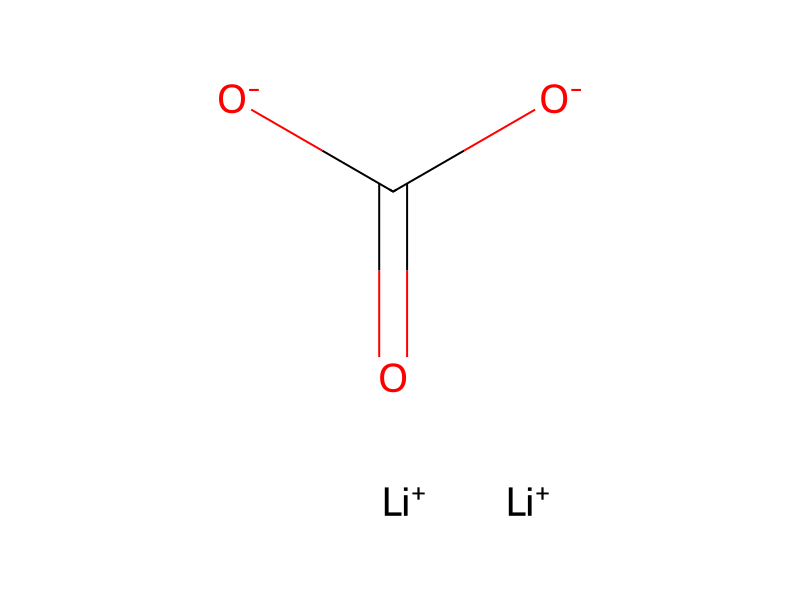

Produkt 1

Reagenzien, Katalysatoren, Lösungsmittel 1

Versuchsvorschrift
412 mg (1 mmol) of 2-iodo-androst-4-ene-3,17-dione of example 9 and 148 mg (2 mmol) of anhydrous lithium carbonate are stirred in 2 ml of dimethylformamide for 1 hour at 120° C. under nitrogen atmosphere. After cooling, it is added to water and extracted with ethyl acetate. The ethyl acetate solution is dried on sodium sulfate and then concentrated by evaporation. The residue is chromatographed on silica gel with ethyl acetate/hexane as mobile solvent. After concentration by evaporation of the fractions, 227 mg (80% of theory) of androsta-1,4-diene-3,17-dione of melting point 138°-139° C. is obtained.
Aufarbeitung
- temperatureAfter cooling
- extractionextracted with ethyl acetate
- dry with materialThe ethyl acetate solution is dried on sodium sulfate
- concentrationconcentrated by evaporation
- customThe residue is chromatographed on silica gel with ethyl acetate/hexane as mobile solvent
- concentrationAfter concentration
- customby evaporation of the fractions, 227 mg (80% of theory) of androsta-1,4-diene-3,17-dione of melting point 138°-139° C.
- customis obtained
Quellen und Nachweise
- ORD-Eintrag
- ord-13cd657e28fb417fbf08eddfc4cd423a
- Quelldatensatz
- uspto-grants-1995_02
- Patentnummer
- US05391778
Verknüpfte Notizen
Wird geladen…