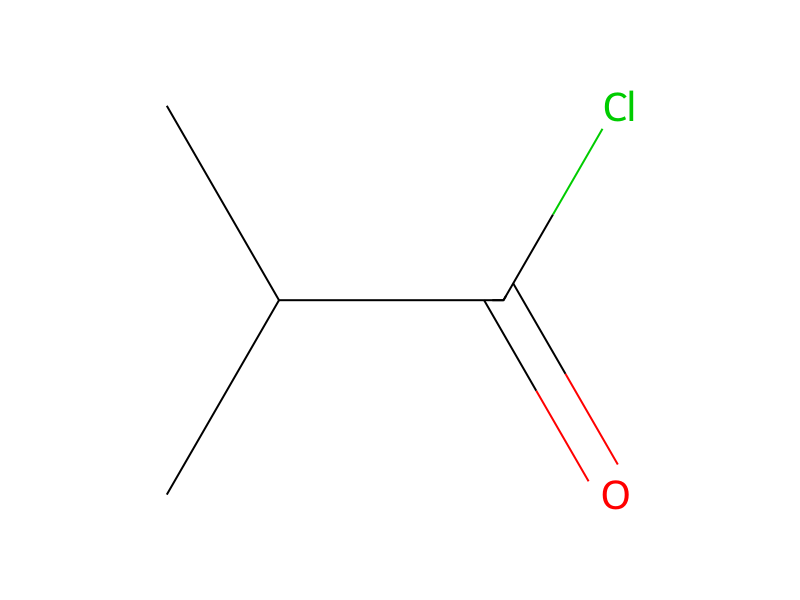
N1C=CC=CC=1.[OH:7][CH:8]([C:16]1[CH:25]=[CH:24][C:23]([OH:26])=[C:22]2[C:17]=1[CH:18]=[CH:19][C:20](=[O:27])[NH:21]2)[CH:9]([NH:12][CH:13]([CH3:15])[CH3:14])[CH2:10][CH3:11].[C:28]([Cl:33])(=[O:32])[CH:29]([CH3:31])[CH3:30]>C(OCC)C>[ClH:33].[OH:7][CH:8]([C:16]1[CH:25]=[CH:24][C:23]([O:26][C:28](=[O:32])[CH:29]([CH3:31])[CH3:30])=[C:22]2[C:17]=1[CH:18]=[CH:19][C:20](=[O:27])[NH:21]2)[CH:9]([NH:12][CH:13]([CH3:15])[CH3:14])[CH2:10][CH3:11]12 ml of pyridine was added to 0.4 g of 5-(1-hydroxy-2-isopropylaminobutyl)-8-hydroxycarbostyril, and 0.6 ml of isobutyryl chloride was added dropwise to the mixture while cooling with ice-water and stirring followed by stirring for 3 hours. After addition of about 200 ml of diethyl ether, the precipitate formed was washed thoroughly with diethyl ether and dissolved in 50 ml of water. The solution was washed with dichloroethane and the aqueous layer was concentrated to dryness. Acetone was added to the residue to crystallize the product which was then recrystallized from acetone to obtain 0.33 g of 5-(1-hydroxy-2-isopropylaminobutyl)-8-isobutyryloxycarbostyril hydrochloride having a melting point of 228°-229° C. (with coloration and decomposition).