tert-Butanol → HCID 22628263, Verbindung
HRID 278580
Reaktionsgleichung

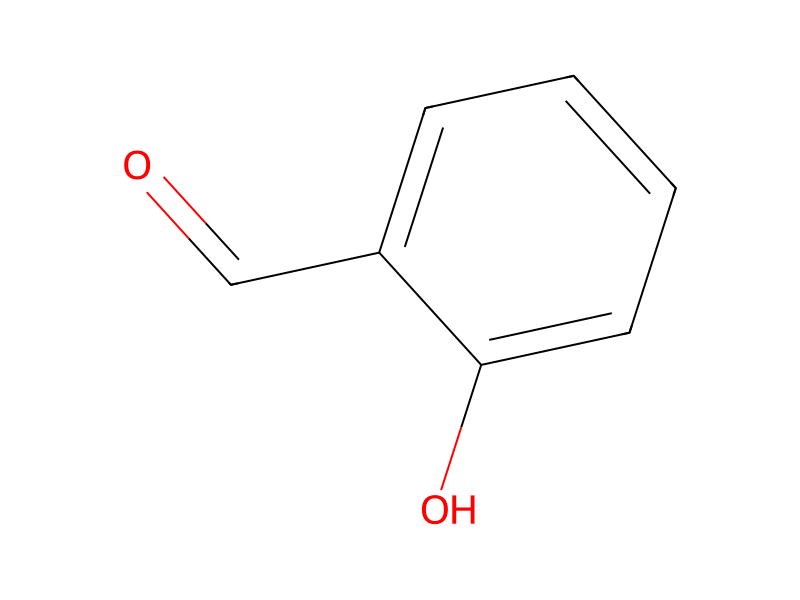
[CH:1]([S:3]([N:6]1[CH2:11][CH2:10][NH:9][CH2:8][CH2:7]1)(=[O:5])=[O:4])=[CH2:2].[CH:12](=O)[C:13]1[C:14](=[CH:16][CH:17]=[CH:18][CH:19]=1)[OH:15].[CH3:21][C:22]([CH3:25])([O-:24])[CH3:23].[K+].[C:27]([OH:31])(C)(C)C>>[O:15]1[C:14]2[CH:16]=[CH:17][CH:18]=[CH:19][C:13]=2[CH:12]=[C:1]([S:3]([N:6]2[CH2:7][CH2:8][N:9]([C:27]([O:24][C:22]([CH3:25])([CH3:23])[CH3:21])=[O:31])[CH2:10][CH2:11]2)(=[O:5])=[O:4])[CH2:2]1Komponenten
5




Versuchsvorschrift
A solution of 1-(ethenesulfonyl)piperazine (1.38 g), salicylaldehyde (610 mg) and potassium tert-butoxide (168 mg) in tert-butanol (20 ml) was refluxed for 4 days. The reaction solution was concentrated, and to the residue was added ethyl acetate. The organic layer was washed with water and brine, dried, concentrated and purified with silica gel column chromatography (hexane/ethyl acetate=2/1) to give a colorless solid of 1-(2H-benzopyrane-3-sulfonyl)-4-(tert-butoxycarbonyl)piperazine (420 mg).