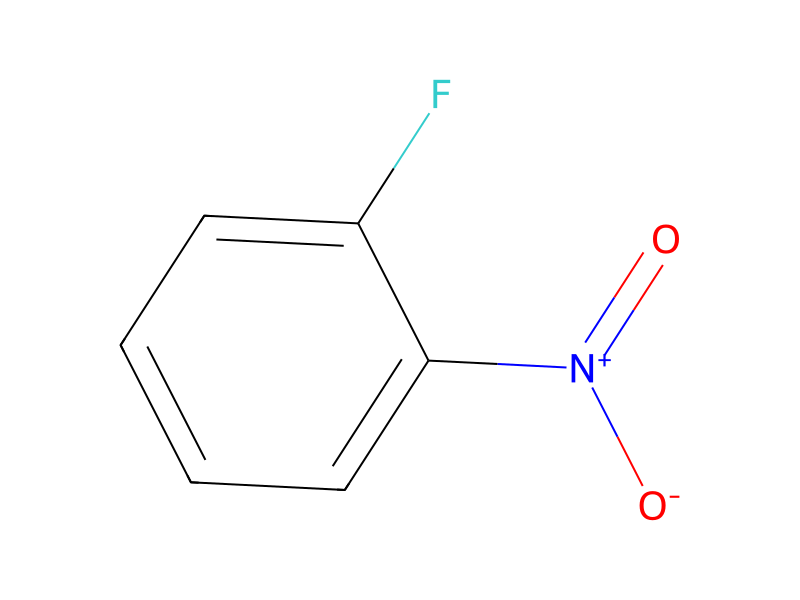
[H-].[Na+].[C:3]([NH:10][C@H:11]([C:14]([OH:16])=[O:15])[CH2:12][OH:13])([O:5][C:6]([CH3:9])([CH3:8])[CH3:7])=[O:4].[H][H].F[C:20]1[CH:25]=[CH:24][CH:23]=[CH:22][C:21]=1[N+:26]([O-:28])=[O:27]>CN(C)C=O.O>[N+:26]([C:21]1[CH:22]=[CH:23][CH:24]=[CH:25][C:20]=1[O:13][CH2:12][C@@H:11]([C:14]([OH:16])=[O:15])[NH:10][C:3]([O:5][C:6]([CH3:9])([CH3:8])[CH3:7])=[O:4])([O-:28])=[O:27]In 200 ml of N,N-dimethylformamide is suspended 10.1 g of 60% sodium hydride (oily), and a solution of 25 g of Boc-L-serine in 10 ml of N,N-dimethylformamide is added dropwise to the suspension in a stream of nitrogen at 0° C. with stirring. After stirring is continued at 0° C. until the evolution of hydrogen stops, 19 g of o-fluoronitrobenzene is added dropwise to the mixture. After the stirring at room temperature for 4 hours, the reaction mixture is poured in ice-cooled water containing dilute hydrochloric acid, followed by extraction with ethyl acetate. The organic layer is washed with water and dried, and then the solvent is evaporated off under reduced pressure. The resulting residue is purified by silica gel column chromatography (hexane-ethyl acetate=1:1) to give 30 g of O-(o-nitrophenyl)-Boc-L-serine as a colorless oil.