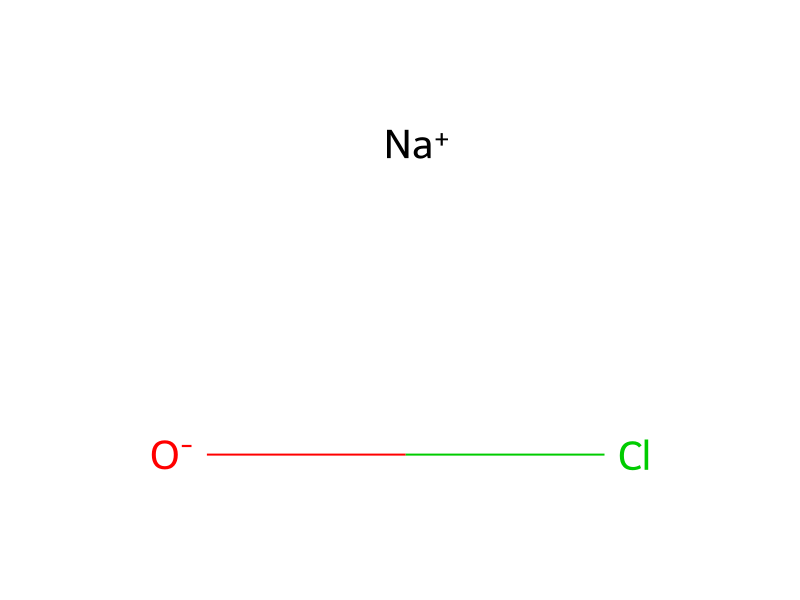
2 g of 3-(2-benzylthiothiazol-5-ylmethyl)-5-methyl-4-nitroimino-perhydro-1,3,5-oxadiazine are dissolved in a mixture of 10 ml of 4N aqueous hydrochloric acid, 20 g of ice and 30 ml of dichloromethane, and 30 g of Javelle water are added dropwise with stirring to the solution. After stirring for a further 30 minutes, the organic phase is separated off, the aqueous phase is extracted repeatedly with a little dichloromethane, and the combined organic phases are subsequently dried with sodium sulphate and evaporated under reduced pressure. The oily residue is dissolved in tetrahydrofuran and precipitated with hexane, whereby the product deposits on the walls of the vessel as a sticky material. The solvent is decanted, the residue is redissolved in tetrahydrofuran, and the solution is slowly concentrated, yielding 0.84 g of the title compound in the form of a semi-crystalline resin. A sample of this resin is purified by chromatography [silica gel; dichloromethane/methanol (95:5)], yielding crystals melting at 132 to 135°.