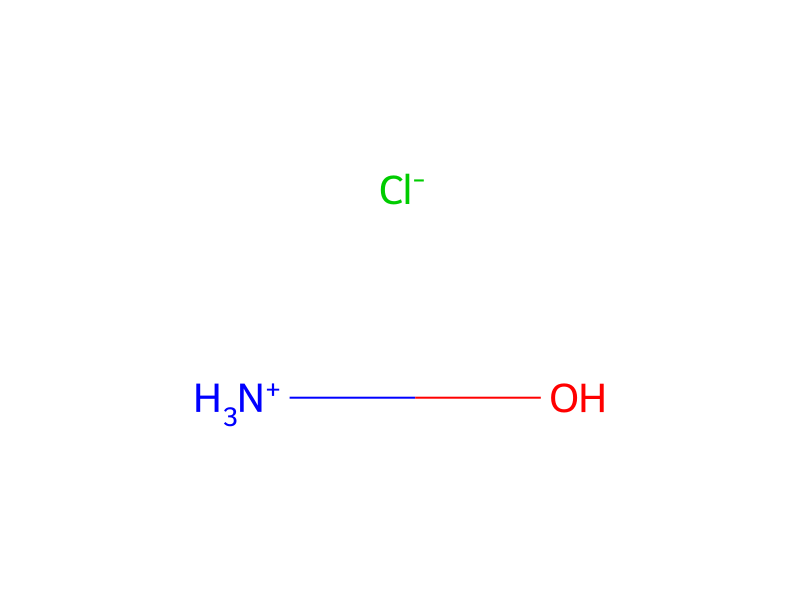
1240 g (4.9 moles) of the thus prepared 2,4-dichlorophenacyl-1H-imidazol is dissolved in 6.2 l methanol. 506.6 g (7.3 moles) hydroxylammonium chloride and 818.2 g KOH (14.6 moles) are added to this solution, which then is heated for one hour under reflux while stirring. After cooling the reaction mixture is poured into 5330 ml aqueous HCl having a concentration of 5% by weight, whereby the oxime product is precipitated. About one hour later the solid product is filtered off and well washed with water. Then after well drying the thus obtained raw product is recrystallized from ethylene glycol monomethyl ether. The pure oxime product, i.e. the (Z)-1-(2,4-dichlorophenyl)-2-(1H-imidazol-1-yl)-ethanone oxime thus is obtained in the form of colourless crystals having a melting point of 227°-229° C. The yield is 89%. The purity and the identity of the obtained product were confirmed by chemical analysis, TLC, NMR and IR absorption spectra.