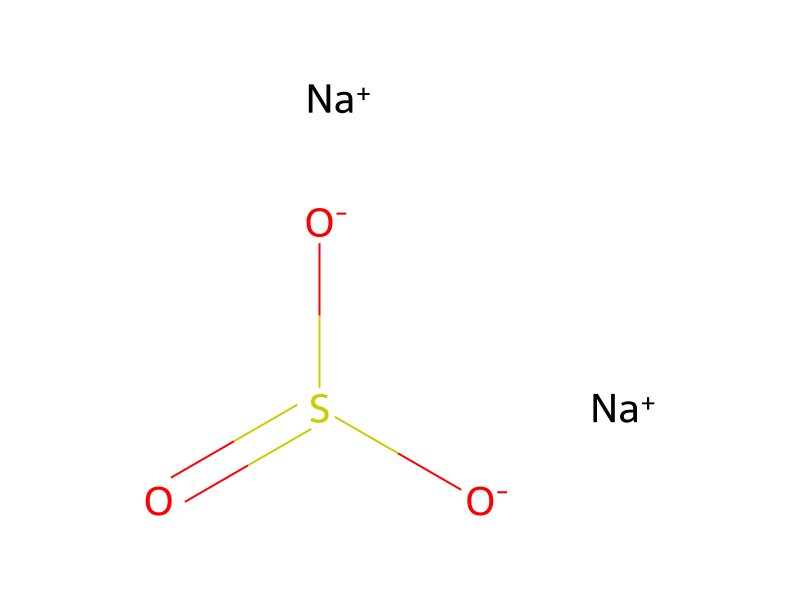
[Br:1][C:2]1[C:3]([Cl:20])=[CH:4][C:5]2[O:10][C:9]([CH3:12])([CH3:11])[N:8]=[C:7]([C:13]3[CH:18]=[CH:17][CH:16]=[CH:15][N:14]=3)[C:6]=2[CH:19]=1.ClC1C=CC=C(C(OO)=[O:29])C=1.S([O-])([O-])=O.[Na+].[Na+]>ClCCl.O>[Br:1][C:2]1[C:3]([Cl:20])=[CH:4][C:5]2[O:10][C:9]([CH3:12])([CH3:11])[N:8]=[C:7]([C:13]3[CH:18]=[CH:17][CH:16]=[CH:15][N+:14]=3[O-:29])[C:6]=2[CH:19]=1To a solution of Compound 88(10.0 g) in dichloromethane (130 ml) was added 70% m-chloroperbenzoic acid (20.0 g) at 0° C. and the mixture was stirred at 2° to 4° C. for 5 hours. A solution of sodium sulfite (32 g) in water (130 ml) was added slowly and stirred for 1 hour with ice-cooling. The organic layer was separated, washed successively with 5% aqueous sodium carbonate solution and saturated saline solution and dried over anhydrous magnesium sulfate. The solvent was distilled off and the residue was purified by chromatography on silica gel and crystallized from diethyl ether to obtain 2-(6-bromo-7-chloro-2,2-dimethyl-2H-1,3-benzoxazin-4-yl)pyridine 1-oxide (2.7 g) (Compound 89).