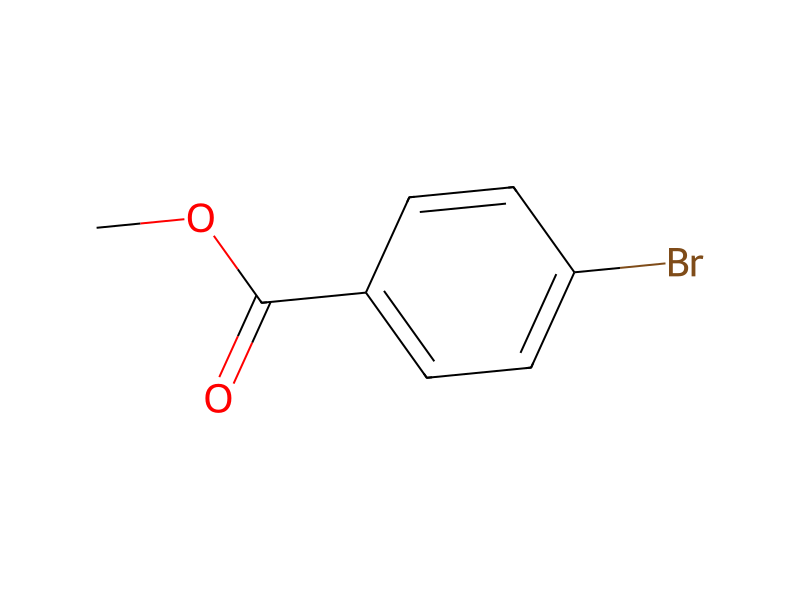
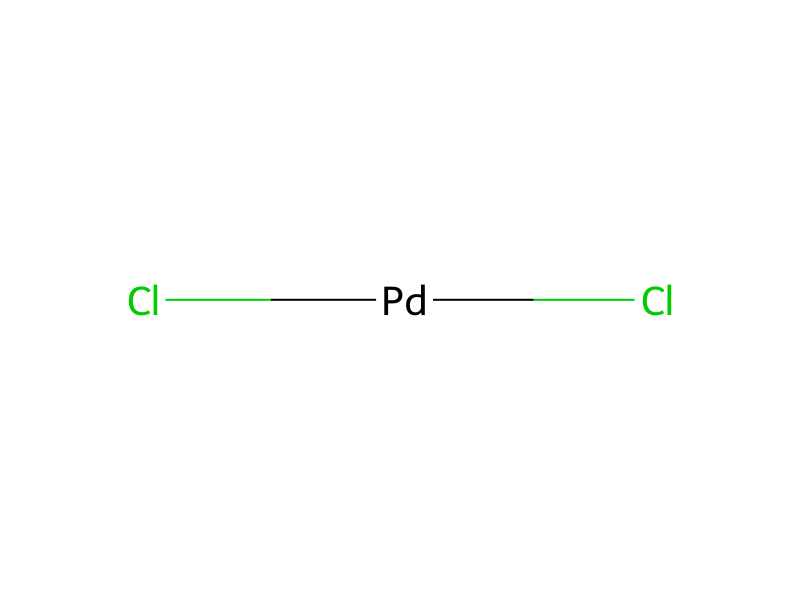
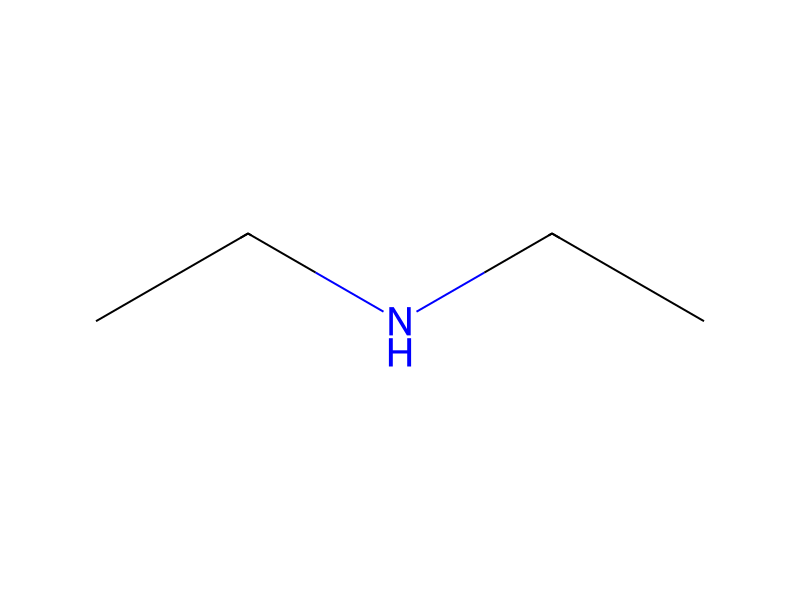
To a mixture of 0.082 g (0.005 eq) of palladium chloride, and 0.244 g (0.01 eq) of triphenylphosphine, and 20.00 g (1.0 eq) of methyl 4-bromobenzoate in diethylamine which is stirred under nitrogen is added 0.178 g (0.01 eq) of copper (I) iodide and 6.52 g (1.0 eq) of 3-butyn-1-ol. The reaction mixture is stirred under nitrogen at room temperature (about 25° C.) for eighteen hours. Diethylamine is then removed under reduced pressure, water is added, and the mixture extracted with benzene. The benzene extracts are filtered through silica to remove the metal residue and the filtrate concentrated under reduced pressure to yield methyl 4-(4-hydroxybut-1-yl)benzoate. Recrystallization from a mixture of benzene and hexane yields pure material in 75.8% yield, m.p. 95.5°-96.0° C.; IR (KBr) νmax 3310, 2955, 1718, 1604, 1433, 1275, 1177, 1108, 1040, 955, 852, and 769 cm-1 ; 1H NMR (CDCl3) delta 7.98 (d, J=8.3 Hz, 2H, Ar), 7.49 (d, J=8.3 Hz, 2H, Ar), 3.93 (s, 3H, --CH3), 3.87 (m, 2H, --CH2OH), 2.74 (t, J=6.2 Hz, 2H, --yl--CH2 --), 1.88 (m, 1H, --OH).