Picolinic acid → Diethyl 2-(2-methylquinolin-7-yl)malonate
Reaktionsgleichung

Br[C:2]1[CH:11]=[C:10]2[C:5]([CH:6]=[CH:7][C:8]([CH3:12])=[N:9]2)=[CH:4][CH:3]=1.N1C=CC=CC=1C(O)=O.C([O-])([O-])=O.[Cs+].[Cs+].[C:28]([O:36][CH2:37][CH3:38])(=[O:35])[CH2:29][C:30]([O:32][CH2:33][CH3:34])=[O:31]>O1CCOCC1.O.C(OCC)(=O)C>[CH3:12][C:8]1[CH:7]=[CH:6][C:5]2[C:10](=[CH:11][C:2]([CH:29]([C:30]([O:32][CH2:33][CH3:34])=[O:31])[C:28]([O:36][CH2:37][CH3:38])=[O:35])=[CH:3][CH:4]=2)[N:9]=1Komponenten
8
Edukt 4

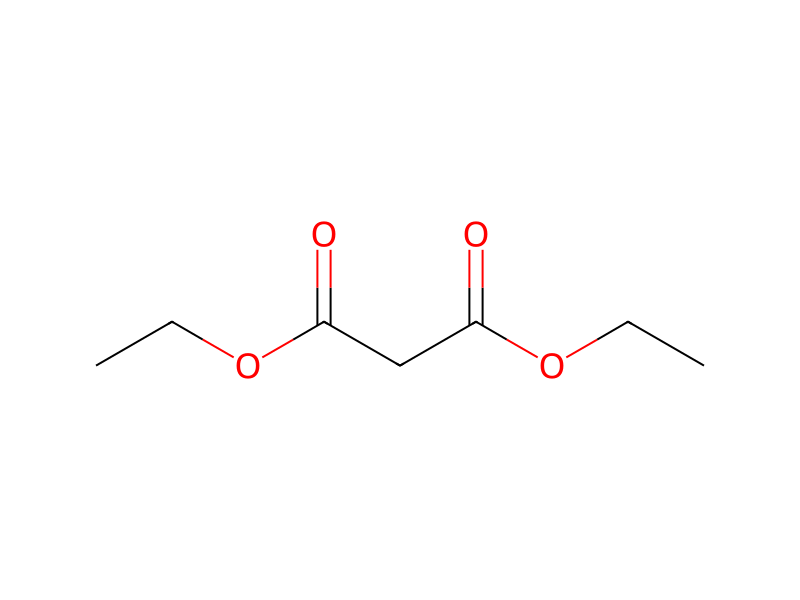


Produkt 1

Reagenzien, Katalysatoren, Lösungsmittel 3



Reaktionsbedingungen
- Temperatur
- 100 °C
Versuchsvorschrift
A mixture of 7-bromo-2-methylquinoline (2.00 g, 9.01 mmol), Cu(I)I (0.172 g, 0.90 mmol), picolinic acid (0.222 g, 1.80 mmol), Cs2CO3 (8.80 g, 27.0 mmol) and diethyl malonate (2.73 mL, 18.0 mmol) in dioxane (25 mL) was stirred at 100° C. for hours. After cooling to ambient temperature, ethyl acetate (30 mL) and water (15 mL) were added. The organic layer was separated, washed with brine, dried (sodium sulfate), filtered and concentrated under reduced pressure. The residue obtained was purified by flash chromatography on silica gel (3:2 hexane/ethyl acetate) to give diethyl 2-(2-methylquinolin-7-yl)malonate (0.7 g, 2.32 mmol, 26% yield) as oil.
Aufarbeitung
- temperatureAfter cooling to ambient temperature
- customThe organic layer was separated
- washwashed with brine
- dry with materialdried (sodium sulfate)
- filtrationfiltered
- concentrationconcentrated under reduced pressure
- customThe residue obtained
- customwas purified by flash chromatography on silica gel (3:2 hexane/ethyl acetate)
Quellen und Nachweise
- ORD-Eintrag
- ord-f254e49f4fea4f2aa859f138dfbcc5e9
- Quelldatensatz
- uspto-grants-2014_11
- Patentnummer
- US08889704B2
Notizen zur Reaktion
Wird geladen…