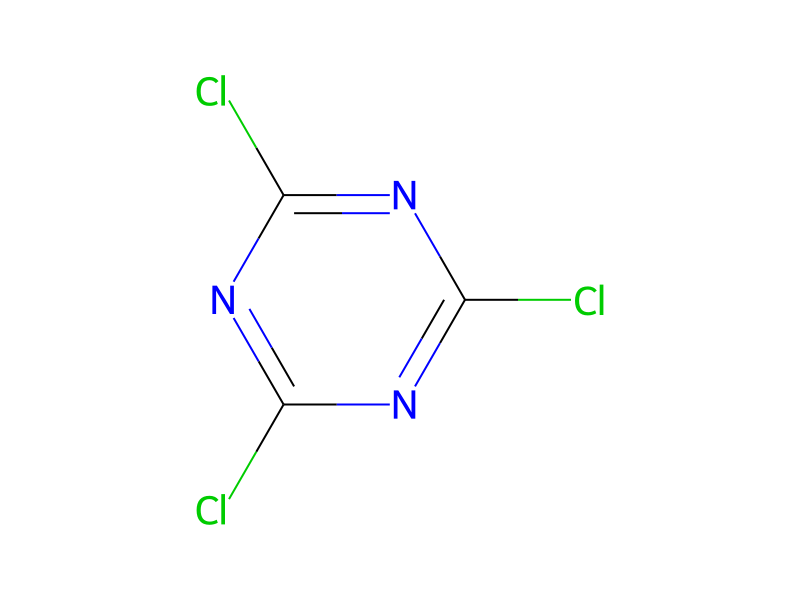
To cyanuric chloride (250 mg, 1.4 mmol) were added anhydrous THF (10 mL), diisopropylethylamine (0.36 mL, 2.0 mmol) and N-methylbenzylamine (164 mg, 1.4 mmol). The mixture was stirred at 0 C for 0.5 h and then allowed to stir and warm to room temperature for an additional 1.5 h. The reaction mixture was treated with concentrated ammonia (d=0.88, 0.4 mL, 6.2 mmol) and allowed to stir at room temperature for 18 h. The solvent was evaporated and reaction mixture was diluted with EtOAc (10 mL) and washed with 1M aq. HCl (5 mL) and saturated sodium chloride (5 mL). The organic layer was dried over anhydrous sodium sulfate and concentrated under reduced pressure to furnish the desired product which was used directly without further purification (350 mg, 103%). Method C HPLC-MS: MH+ requires m/z=250. Found: m/z=250, Rt=1.25 min (95%).