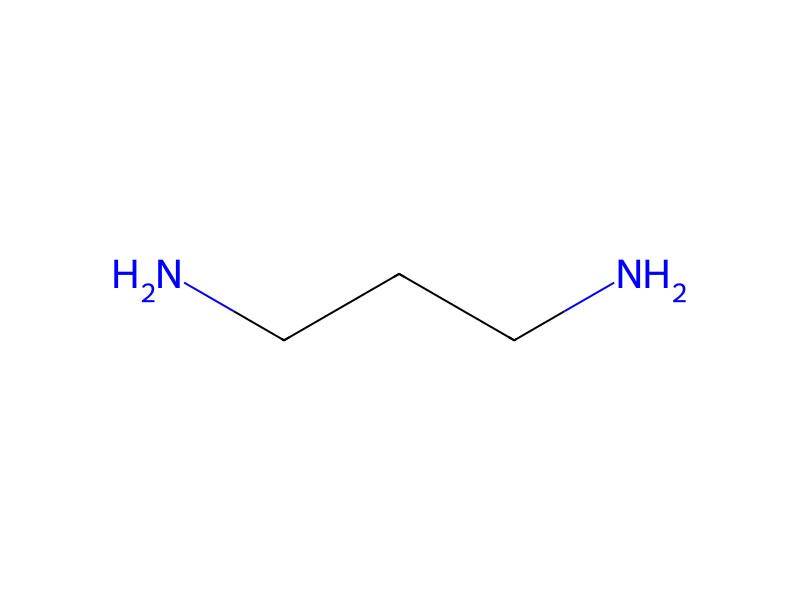
Into a stainless autoclave (100 ml) were fed, under a nitrogen atmosphere, 4.0 g (0.026 mol) of 4-t-butylcyclohexanone, 12.5 mg (0.013 mmol) of RuCl2 (PPh3)3, 1.04 ml (0.104 mmol) of a 0.1M solution of KOH in isopropanol, 2.89 ml (0.052 mmol) of a 0.018M solution of trimethylenediamine in isopropanol and 10 ml of isopropanol. The mixture was stirred under a hydrogen gas pressure of 50 atm at room temperature for 16 hours. When the reaction mixture was analyzed by gas chromatography, it was found out that 4-t-butylcyclohexanol (weight ratio of cis-isomer:trans-isomer=95: 5) was thus formed at a conversion ratio of 100%. The reaction mixture was filtered under reduced pressure and the oily substance thus obtained was distilled at 113°-115° C./15 mmHg. Thus 3.44 g of the target cis-4-t-butylcyclohexanol with a high purity was obtained (yield: 85%). The physical data of this product are as follows. MS(EI)(m/z): 57 (100), 67 (43), 82 (39), 99 (20), 123 (12). IR (KBr) (cm-1): 3300, 2950, 1480, 1440, 1360, 1340, 1030, 1010.