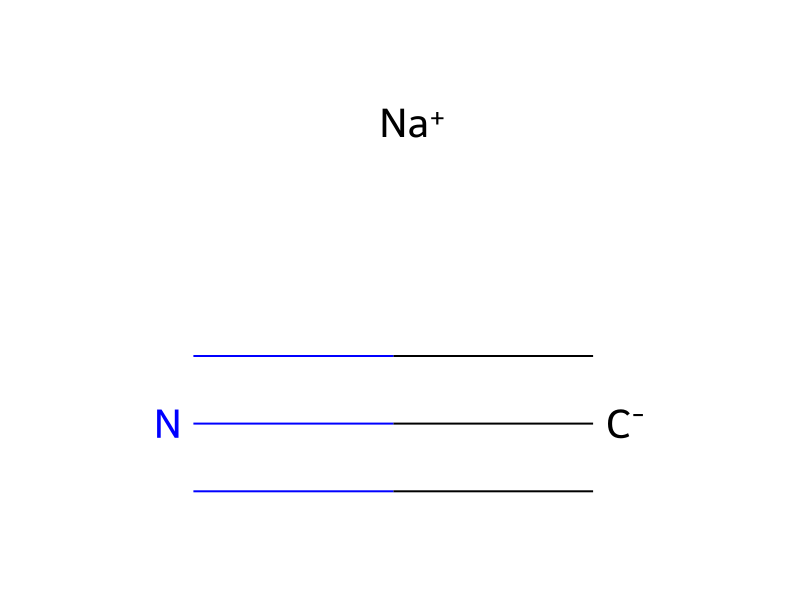
[F:1][C:2]([F:22])([C:15]([F:21])([F:20])[C:16]([F:19])([F:18])[F:17])[C:3]([NH:5][C:6]1[CH:11]=[CH:10][C:9]([CH2:12][CH2:13]Br)=[CH:8][CH:7]=1)=[O:4].[C-:23]#[N:24].[Na+].O>CS(C)=O>[F:1][C:2]([F:22])([C:15]([F:21])([F:20])[C:16]([F:19])([F:18])[F:17])[C:3]([NH:5][C:6]1[CH:11]=[CH:10][C:9]([CH2:12][CH2:13][C:23]#[N:24])=[CH:8][CH:7]=1)=[O:4]A solution of 2,2,3,3,4,4,4-heptafluoro-N-[4-(2-bromoethyl)phenyl]butanamide (9.9 g), and sodium cyanide (1.72 g) in dimethylsulfoxide (50 mL) was stirred at room temperature under a nitrogen atmosphere for 24 hours. The mixture was treated with additional sodium cyanide (0.8 g) and the reaction was stirred for another 18 hours. The reaction mixture was poured into water (1 L) and extracted with diethyl ether. The extracts were washed with water and with saturated brine solution, dried over sodium sulfate, filtered and concentrated with a rotary evaporator. The crude orange residue was chromatographed on silica gel, eluted with a hexane-ethylacetate (7:3) mixture to give 4.2 g of 2,2,3,3,4,4,4-heptafluoro-N-[4-(2-cyanoethyl)phenyl]butanamide as a yellow solid.