Reaktionsgleichung

[N:1]1[CH:6]=[CH:5][CH:4]=[C:3]([C:7]([C:9]2[CH:18]=[CH:17][C:16]3[C:11](=[CH:12][CH:13]=[C:14]([C:19]4([CH3:24])[O:23][CH2:22][CH2:21][O:20]4)[CH:15]=3)[CH:10]=2)=O)[CH:2]=1.C(O)COCCOCCO.NN.[OH-].[K+]>O>[N:1]1[CH:6]=[CH:5][CH:4]=[C:3]([CH2:7][C:9]2[CH:18]=[CH:17][C:16]3[C:11](=[CH:12][CH:13]=[C:14]([C:19]4([CH3:24])[O:20][CH2:21][CH2:22][O:23]4)[CH:15]=3)[CH:10]=2)[CH:2]=1Komponenten
6
Edukt 4
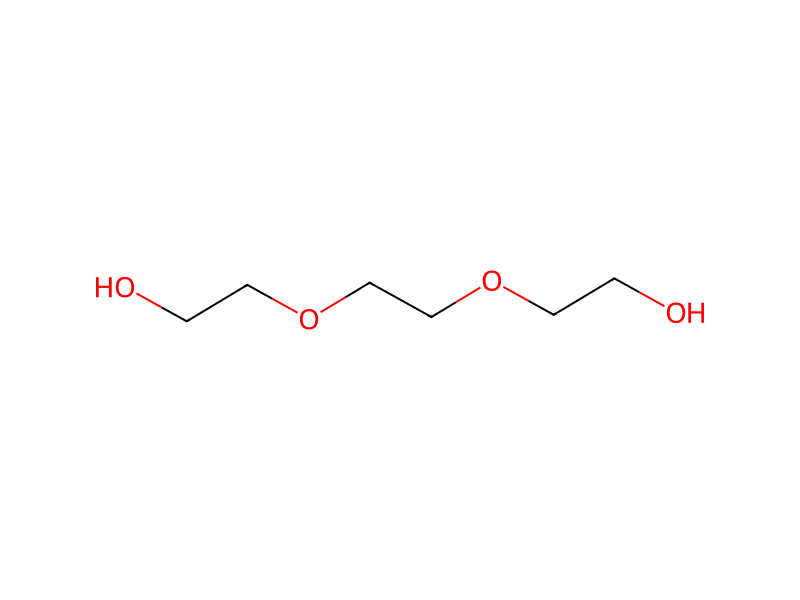



Produkt 1

Reagenzien, Katalysatoren, Lösungsmittel 1

Reaktionsbedingungen
- Temperatur
- 160 °C
Versuchsvorschrift
A mixture of 270 mg of 2-(3-pyridylcarbonyl)-6-(2-methyl-1,3-dioxolan-2-yl)naphthalene, 7 ml of triethylene glycol, 1 ml of anhydrous hydrazine and 500 mg of potassium hydroxide were heated at 160° C. for 30 minutes. The temperature was then raised to 210° C. for 1 hour. The mixture was cooled, poured into water and extracted with methylene chloride. The organic layer was dried over sodium sulfate, the solvent removed under reduced pressure and the residue chromatographed on silica gel to give 160 mg of 2-(3-pyridylmethyl)-6-(2-methyl-1,3dioxolan-2-yl)naphthalene as an oil.
Aufarbeitung
- temperatureThe temperature was then raised to 210° C. for 1 hour
- temperatureThe mixture was cooled
- extractionextracted with methylene chloride
- dry with materialThe organic layer was dried over sodium sulfate
- customthe solvent removed under reduced pressure
- customthe residue chromatographed on silica gel
Quellen und Nachweise
- ORD-Eintrag
- ord-9b438c38abb14a318e2a01f24f8f5b42
- Quelldatensatz
- uspto-grants-1988_08
- Patentnummer
- US04766127
Verknüpfte Notizen
Wird geladen…