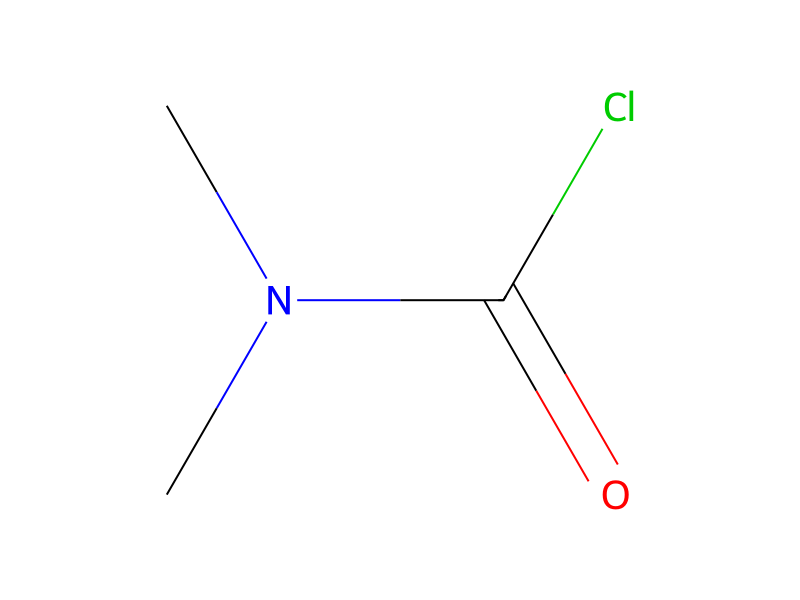
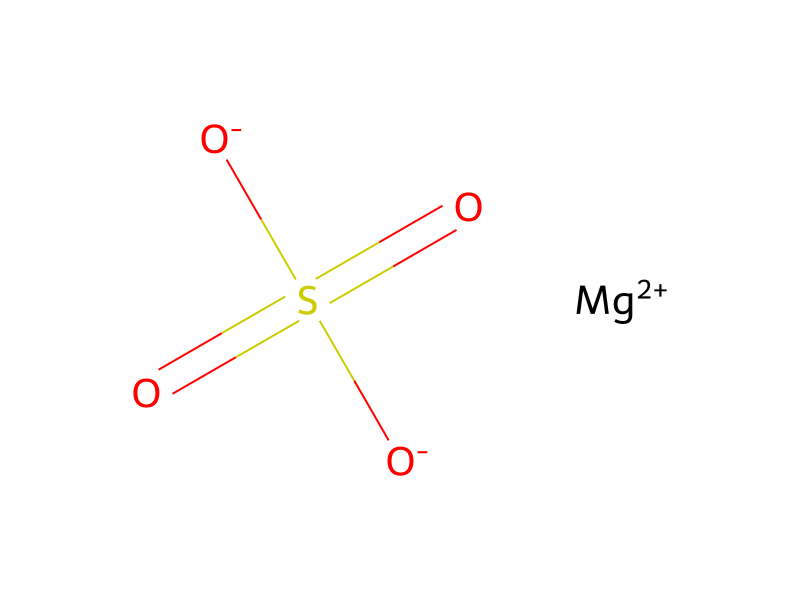
To a slurry of 4-methoxypyridine N-oxide hydrate, 50 g, in 250 mL of chloroform was added 20 g of magnesium sulfate. The slurry was stirred for 1 hour at ambient temperature, then filtered and concentrated to dryness. To a solution of the residue, 4-methoxypyridine N-oxide, 43 g (350 mmol) in 350 mL of dichloromethane was added 65 mL (490 mmol) of trimethylsilylcyanide. The solution was cooled to 10° C. and 45 mL (490 mmol) of N,N-dimethylcarbamyl chloride was added dropwise such that the reaction warmed to a gentle reflux. Upon completion of the addition, the reaction mixture was stirred overnight at ambient temperature, then carefully quenched at 0° C. dropwise with 10% aqueous potassium carbonate. The layers were separated and the aqueous layer was extracted with dichloromethane. The combined organics were washed with brine, dried over sodium sulfate, filtered and concentrated to dryness. The residue was triturated with ether. Filtration of the solid provided 31.4 g (67%) of the desired product as a white solid. 1H—NMR is consistent with structure; MS (ion spray) 135.1 (M+).