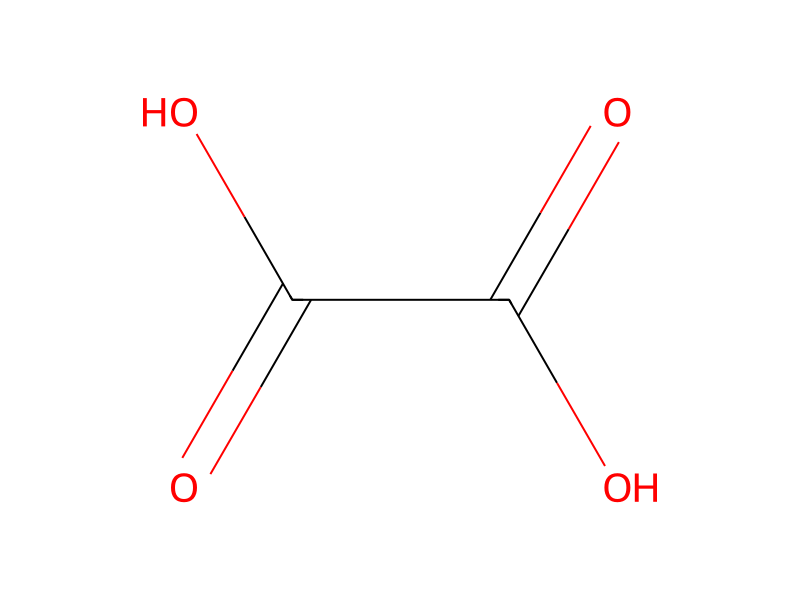
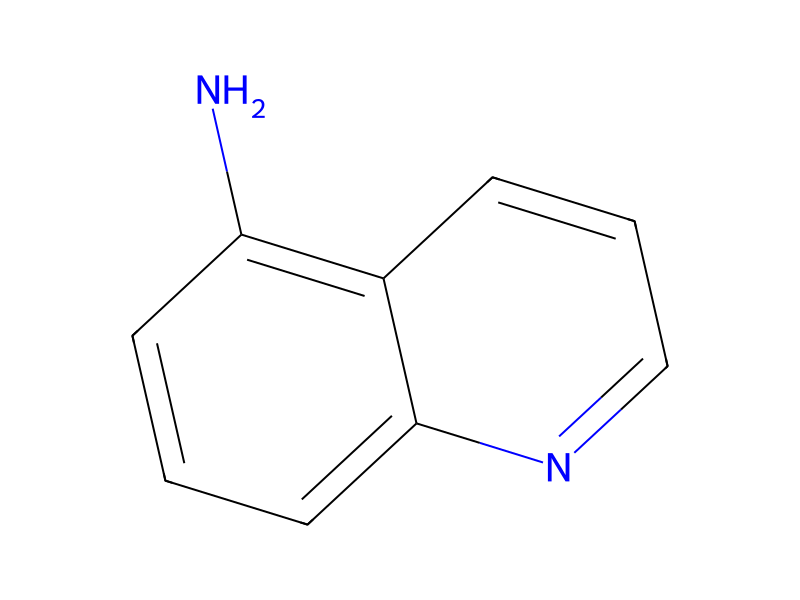
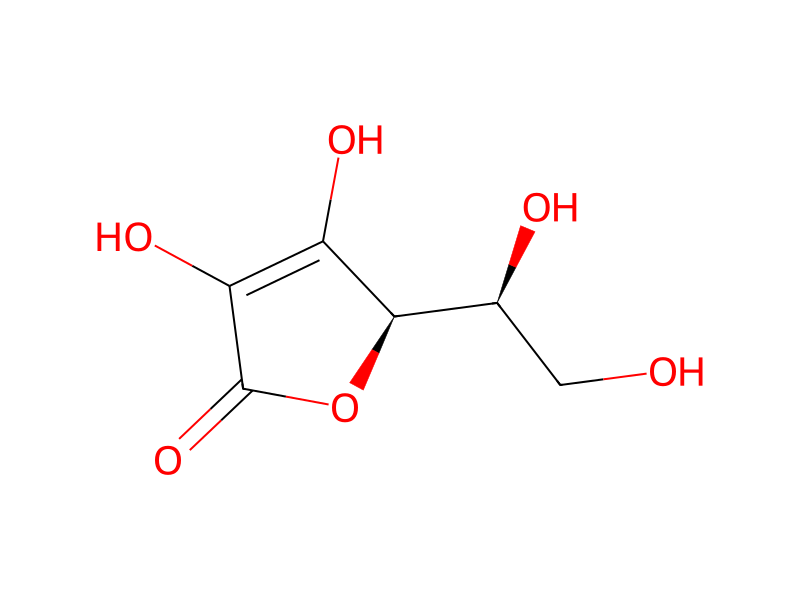
To a 1 L flask under a nitrogen atmosphere, concentrated HCl (300 ml, 32%, 3.05 moles) was charged and cooled to −2 to 0° C. 5-Aminoquinoline (50 g, 0.347 moles) was then added all at once as a solid. An increase in temperature of 25° C. was observed. The suspension was again cooled to −2 to 0° C. Aqueous sodium nitrite (29 g, 0.420 moles) dissolved in water (50 ml) was added dropwise to the acidic solution through an addition funnel over a period of 1 hour at −2 to 0° C. The resulting mixture (dark-brown solution) was stirred for 1 hour at −2 to 0° C. L-Ascorbic acid (64 g, 0.363 moles) was then added in portions as a solid over a period of 1 hour at (−)2-0° C. The reaction was allowed to come to room temperature (18-20° C.) over a period of 45 minutes, then heated at 80° C. and stirred 20 minutes at this temperature. The resultant orange suspension was cooled to room temperature (18-20° C.) and water (100 ml) was added. The slurry was stirred overnight (16-17 hours) at 18-20° C., cooled to 0° C. for 1.5 hours, filtered and washed with methanol (150 ml). The product was dried to constant weight in an air tray drier at 40° C. to afford 53.8 g of 5-hydrazinoquinoline dihydrochloride as a green-brown solid (HPLC purity calculated as area percent: 98.6%, with 1.3% of oxalic acid intermediate; 66% molar yield).