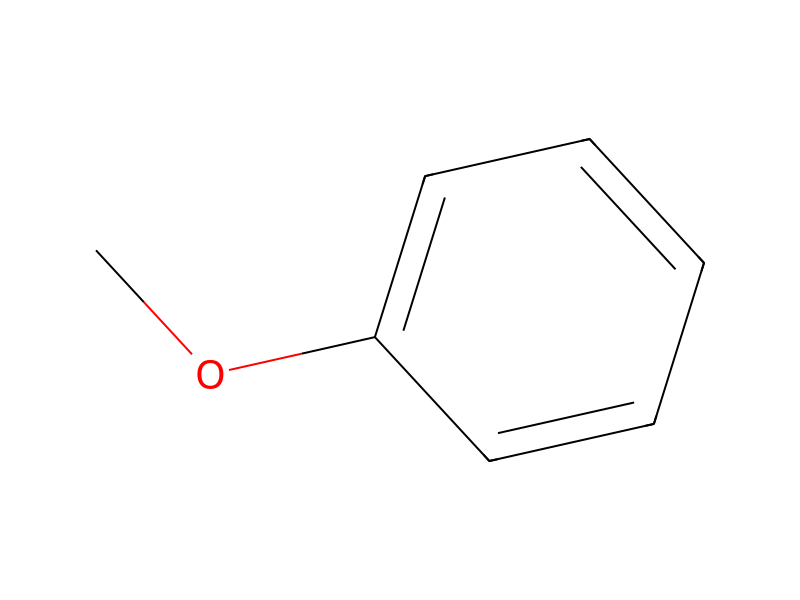
[Cl:1][C:2]1[C:12]2[O:11][C:10]3[CH:13]=[CH:14][CH:15]=[CH:16][C:9]=3[NH:8][C:7](=O)[C:6]=2[CH:5]=[CH:4][CH:3]=1.[NH:18]1[CH2:24][CH2:23][CH2:22][NH:21][CH2:20][CH2:19]1>C1(C)C=CC=CC=1.C1(OC)C=CC=CC=1.[Ti](Cl)(Cl)(Cl)Cl>[Cl:1][C:2]1[C:12]2[O:11][C:10]3[CH:13]=[CH:14][CH:15]=[CH:16][C:9]=3[N:8]=[C:7]([N:18]3[CH2:24][CH2:23][CH2:22][NH:21][CH2:20][CH2:19]3)[C:6]=2[CH:5]=[CH:4][CH:3]=1In a like manner as Example 1, 4-Chloro-10,11-dihydro-dibenz[b,f][1,4]oxazepine-11-one (2.46 g, 10.0 mmol) was reacted with homopiperazine (7.41 g, 74.0 mmol) in the presence of titanium tetrachloride (2.09 g, 11.0 mmol) in toluene (55.0 mL) and anisole (2.00 mL) to produce 4-Chloro-11-(1-homopiperazinyl)dibenz[b,f][1,4]oxazepine; viscous oil; yield, 0.92 g (28%). This crude product (0.26 g, 0.79 mmol) was reacted with 1-bromohexane (0.13 mL, 0.16 g, 0.95 mmol) in the presence of sodium hydride (0.044 mg, 60% in oil, 1.11 mmol) in DMF (10.0 mL) to produce 4-Chloro-11-(4-hexylhomopiperazinyl)dibenz[b,f][1,4]oxazepine; viscous oil; yield, 0.17 g (52%).