Tert-Butylamine → 3-Tert-butylamino-4-(2-hydroxy-6-methyl-phenylamino)-cyclobut-3-ene-1,2-dione
HRID 357299
Reaktionsgleichung

C(O[C:4]1[C:5](=[O:18])[C:6](=[O:17])[C:7]=1[NH:8][C:9]1[C:14]([CH3:15])=[CH:13][CH:12]=[CH:11][C:10]=1[OH:16])C.[C:19]([NH2:23])([CH3:22])([CH3:21])[CH3:20]>ClCCl>[C:19]([NH:23][C:4]1[C:5](=[O:18])[C:6](=[O:17])[C:7]=1[NH:8][C:9]1[C:14]([CH3:15])=[CH:13][CH:12]=[CH:11][C:10]=1[OH:16])([CH3:22])([CH3:21])[CH3:20]Komponenten
4
Edukt 2
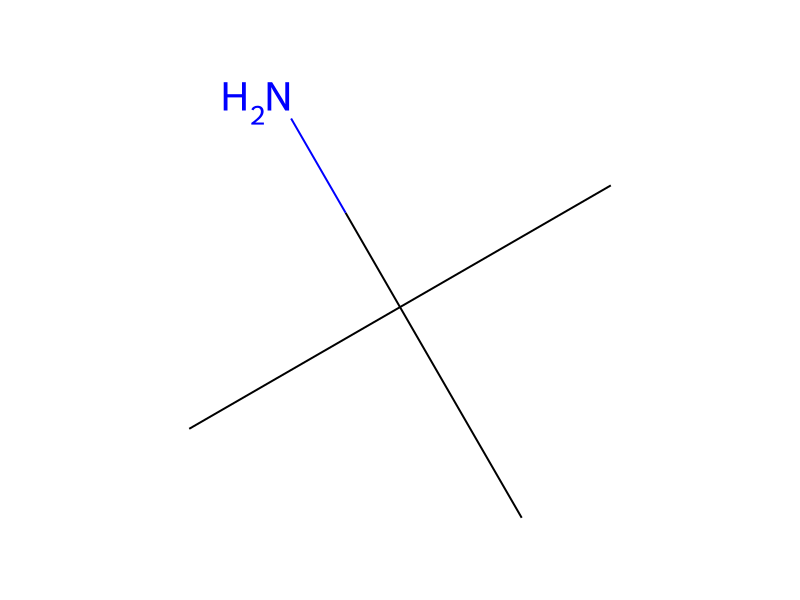

Produkt 1

Reagenzien, Katalysatoren, Lösungsmittel 1

Versuchsvorschrift
3-Ethoxy-4-(2-hydroxy-6-methyl-phenylamino)-cyclobut-3-ene-1,2-dione (0.4 g, 1.62mmol) in t-butylamine (4.8mL) and dichloromethane (4.8mL) was allowed to stand at room temperature for 7 days. The slurry was filtered, rinsed with ethyl acetate, and dried. Chromatography with 10% methanol in dichloromethane, followed by trituration with 5% ethyl acetate in hexane gave 3-tert-butylamino-4-(2-hydroxy-6-methyl-phenylamino)-cyclobut-3-ene-1,2-dione, 0.18 g (0.66 mmol, 41%).