StartseiteMCPWorkbenchSkills
StartseiteWorkbenchBenachrichtigungenMein Bereich
llms.txt · MCP-AnleitungDatenschutz · Nutzungsbedingungen · Supportv1.8.3
  1. Startseite
  2. /Reaktion

1H-1,2,4-Triazole → HCID 86752015, Verbindung

HRID 362115
Drucken

Reaktionsgleichung

Reaktionsgleichung von HRID 362115
[CH3:1][O:2][C:3]1[CH:31]=[CH:30][C:6]([CH2:7][S:8][C@@H:9]2[CH2:13][N:12]([C:14]([O:16][CH2:17][C:18]3[CH:23]=[CH:22][C:21]([N+:24]([O-:26])=[O:25])=[CH:20][CH:19]=3)=[O:15])[C@H:11]([C:27]([OH:29])=O)[CH2:10]2)=[CH:5][CH:4]=1.C(Cl)(=O)C(C)(C)C.Cl.[N:40]1([CH:45]2[CH2:48][NH:47][CH2:46]2)[CH:44]=[N:43][CH:42]=[N:41]1.N1C=NC=N1.C(N(C(C)C)CC)(C)C>O1CCCC1.C(#N)C.C(N(CC)CC)C>[CH3:1][O:2][C:3]1[CH:4]=[CH:5][C:6]([CH2:7][S:8][C@@H:9]2[CH2:13][N:12]([C:14]([O:16][CH2:17][C:18]3[CH:23]=[CH:22][C:21]([N+:24]([O-:26])=[O:25])=[CH:20][CH:19]=3)=[O:15])[C@H:11]([C:27]([N:47]3[CH2:48][CH:45]([N:40]4[CH:44]=[N:43][CH:42]=[N:41]4)[CH2:46]3)=[O:29])[CH2:10]2)=[CH:30][CH:31]=1
KomponentenReaktionsbedingungenVersuchsvorschriftAufarbeitungQuellen und NachweiseNotizen zur Reaktion

Komponenten

9

Edukt 5

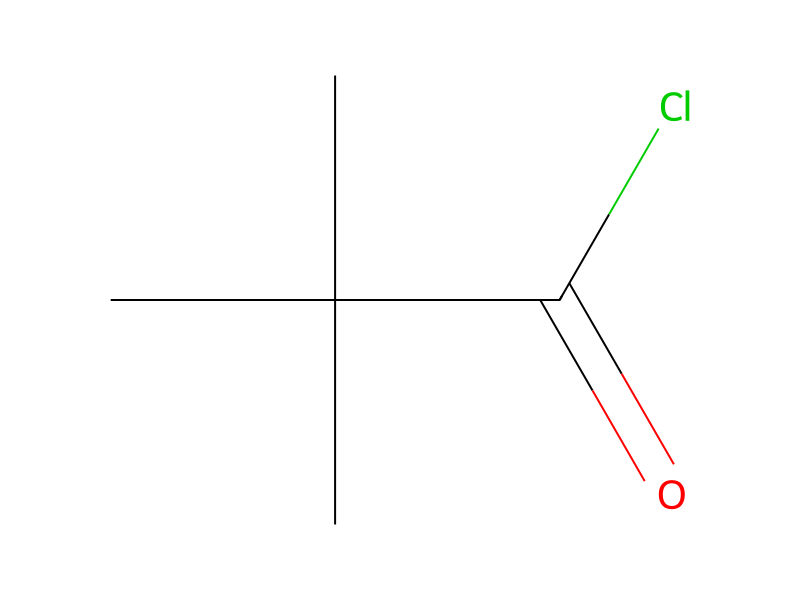
HCID 92571H-1,2,4-TriazoleHCID 62493Pivaloyl chlorideHCID 81531DiisopropylethylamineHCID 15297071(2S,4S)-4-(4-methoxybenzyl)thio-1-(4-nitrobenzyloxycarbonyl)-L-prolineHCID 675851183-(1-1,2,4-Triazolyl)azetidine hydrochloride

Produkt 1

HCID 86752015
HCID 86752015, Verbindung
Ausbeute 62,2 %

Reagenzien, Katalysatoren, Lösungsmittel 3

HCID 6342AcetonitrileLösungsmittelHCID 8028TetrahydrofuranLösungsmittelHCID 8471TriethylamineLösungsmittel

Reaktionsbedingungen

Temperatur
0 °C

Versuchsvorschrift

1.13 g of (2S, 4S)-4-(4-methoxybenzylthio)-1-(4-nitrobenzyloxycarbonyl)-2-pyrrolidinecarboxylic acid were dissolved in 11 ml of dry tetrahydrofuran, and the resulting solution was cooled to 0° C. 280 mg of triethylamine were added to the solution, followed by 320 mg of pivaloyl chloride, and the mixture was stirred at the same temperature for 5 minutes. At the end of this time, a mixture of 1.36 g of 3-(1-1,2,4-triazolyl)azetidine hydrochloride [prepared by a procedure similar to that described in Preparation 122(a) and (b), but using 1,2,4-triazole], 956 mg of diisopropylethylamine and 6 ml of dry acetonitrile was added to the mixture, after which the mixture was stirred at 0° C. for 30 minutes and at room temperature for 30 minutes. The reaction mixture was then filtered, and the solvent was removed by evaporation under reduced pressure. The resulting residue was diluted with ethyl acetate, and the diluted solution as washed with an aqueous solution of sodium hydrogencarbonate and with a saturated aqueous solution of sodium chloride, in that order, and dried over anhydrous magnesium sulfate. The solvent was then removed by distillation under reduced pressure, and the residue was purified by silica gel column chromatography, using a 10:1 by volume mixture of ethyl acetate and methanol as the eluent, to give 870 mg of the title compound, as a powder.

Aufarbeitung

  1. customprepared by a procedure similar to
  2. additionwas added to the mixture
  3. stirringafter which the mixture was stirred at 0° C. for 30 minutes and at room temperature for 30 minutes
  4. filtrationThe reaction mixture was then filtered
  5. customthe solvent was removed by evaporation under reduced pressure
  6. additionThe resulting residue was diluted with ethyl acetate
  7. washthe diluted solution as washed with an aqueous solution of sodium hydrogencarbonate and with a saturated aqueous solution of sodium chloride, in that order
  8. dry with materialdried over anhydrous magnesium sulfate
  9. customThe solvent was then removed by distillation under reduced pressure
  10. customthe residue was purified by silica gel column chromatography
  11. additionby volume mixture of ethyl acetate and methanol as the eluent

Quellen und Nachweise

ORD-Eintrag
ord-ee79dafc538b4ea895e2c0db75761ca5
Quelldatensatz
uspto-grants-1999_02
DOI
10.6084/m9.figshare.5104873.v1
Patentnummer
US05866564

Notizen zur Reaktion

Auf dieser SeiteKomponentenReaktionsbedingungenVersuchsvorschriftAufarbeitungQuellen und NachweiseNotizen zur Reaktion



