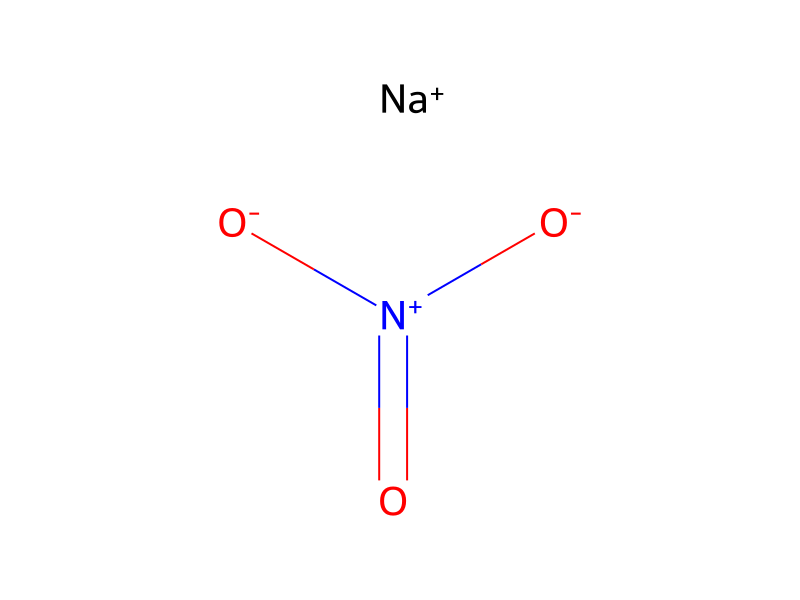
5-Azaphenanthrene-1,10-dicarboxylic anhydride (17.0 g, 68.2 mmol) was dissolved in concentrated sulfuric acid (70 mL) and sodium nitrate (2.90 g, 34.1 mmol) was added to the warm solution. This mixture was heated to 65° C. and three additional aliquots of sodium nitrate (2.90 g, 34.1 mmol) were added after 5, 22, and 30 h. Each aliquot caused about a 20° C. temperature rise, with the temperature stabilizing again at about 65° C. The solution was heated for an additional 14 h after the last addition. The clear orange solution was cooled to room temperature and poured into water (500 mL), washing the residue from the reaction flask with water (5×40 mL). The aqueous suspension was allowed to cool to room temperature. The suspended solid was collected on a frit, washed with water (2×50 mL), and dried. This cream colored solid was heated at reflux in acetic acid (100 mL) containing acetic anhydride (10 mL) for 2 h and cooled to room temperature. The solid was collected on a frit, washed with acetic acid (25 mL) and ether (2×25 mL), and dried to give 18.31 g (91%) of the nitro compound as a cream colored solid: mp 268°-269° C.; 1H NMR (DMSO-d6, 300 MHz) δ 8.05 (dd, 1H, J=8.0, 4.4 Hz), 8.97 (dd, 1H, J=8.0, 1.5 Hz), 9.11 (d, 1H, J=2.2 Hz), 9.33-9.40 (m, 2H), 10.16 (d, 1H, J=2.2 Hz); MS (CI, CH4) m/e (%) 295 (M+H+, 100), 265 (6), 250 (5).